
Red light vs blue light therapy remains one of the most common questions among those exploring advanced LED skincare.
Both therapies use non-invasive, clinically proven wavelengths of light to improve skin health, but their effects are distinct. Red light rejuvenates and repairs, while blue light clarifies and calms.
To see which light best fits your goals, it helps to look deeper at how each wavelength affects the skin's structure and behavior.
What this article covers:
- What Is Light Therapy and How Does It Work
- Red vs Blue Light: The Key Differences
- Can You Use Red and Blue Light Therapy Together?
- Which Light Therapy Is Right for Your Skin
- Get The Full Spectrum With Qure's LED Therapy
- Frequently Asked Questions
What Is Light Therapy and How Does It Work
Light therapy works by using specific wavelengths to trigger biological responses in the skin.
When light photons are absorbed by mitochondria (the cell's power source), they increase the production of adenosine triphosphate (ATP), the energy molecule that drives repair and renewal.
Each wavelength penetrates to a different depth.
Blue light stays near the surface, where it targets acne-causing bacteria. Red and near-infrared light reach the dermis, stimulating fibroblasts to produce collagen and elastin.
Red Light Therapy: The Collagen Booster
Red light therapy operates primarily at 630 nm and 660 nm, wavelengths that reach the dermis – the layer responsible for structure and elasticity.
By stimulating fibroblast activity and microcirculation, red light promotes a smoother, firmer complexion and helps the skin recover from daily stress.
Key benefits of red light therapy:
- Supports collagen and elastin synthesis.
- Smooths fine lines and wrinkles.
- Improves skin tone and firmness.
- Reduces visible redness and inflammation.
Unlike lasers or ablative procedures that rely on controlled injury, red light therapy supports regeneration through energy, not trauma.
It's gentle enough for sensitive skin yet powerful enough to yield cumulative results.

Blue Light Therapy: The Acne Defender
Blue light therapy operates at a 415 nm wavelength, targeting the outermost skin layer (epidermis). It's particularly effective against Cutibacterium acnes, the bacteria that contribute to breakouts.
When blue light interacts with these microorganisms, it triggers a photochemical reaction that destroys them without irritation or downtime.
Key benefits of blue light therapy:
- Reduces acne-causing bacteria.
- Minimizes future breakouts.
- Helps balance oil production.
- Calms redness in active blemishes.
Because it's non-thermal, blue light is safe even for reactive skin.
Red vs Blue Light: The Key Differences
|
Feature |
Red Light |
Blue Light |
|
Wavelength Range |
630–660 nm |
415 nm |
|
Depth of Penetration |
Dermis (deeper) |
Epidermis (surface) |
|
Primary Action |
Stimulates collagen and healing |
Eliminates acne-causing bacteria |
|
Best For |
Fine lines, firmness, redness |
Breakouts, oil control |
|
Skin Sensation |
Gentle warmth |
Cooling feel |
|
Can You Combine? |
Yes—dual use improves clarity and recovery |
Both lights share a similar goal: healthier skin through natural biological stimulation.
But together, they form a complementary system – red light strengthens and restores, while blue light purifies and protects.
Can You Use Red and Blue Light Therapy Together?
Yes. Combining red and blue light therapy is often the most effective approach for achieving balanced, clear skin.
Blue light addresses bacterial activity, while red light reduces inflammation and promotes healing once acne lesions begin to clear.
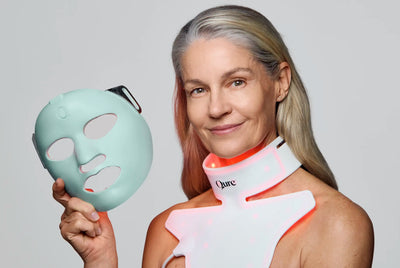
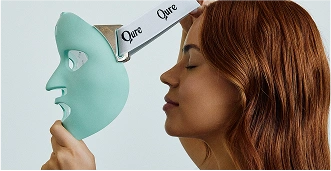
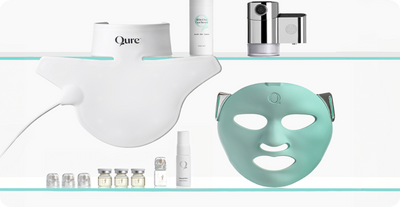
This synergy is built into Qure's Q-Rejuvalight Pro red light mask, which allows users to treat multiple zones at once.
For example, blue light over the chin and jawline, where breakouts occur, and red light over the cheeks and forehead to maintain a smooth texture.
We recommend starting with blue light to neutralize bacteria, followed by red light to soothe and renew the skin.

Which Light Therapy Is Right for Your Skin
Your choice depends on what your skin needs most:
- For firmness and anti-aging: Red and deep-red wavelengths help restore elasticity and smooth lines.
- For acne control and clarity: Blue light combats surface bacteria and regulates oil production.
- For comprehensive results: A multi-wavelength device like Qure's delivers the advantages of both simultaneously.
Dermatologists often recommend alternating or combining wavelengths to achieve long-term balance. That's why Qure's system includes not only red and blue light but also amber and infrared – covering the entire visible and near-infrared spectrum for maximum flexibility.
Get The Full Spectrum With Qure's LED Therapy
Full-spectrum light therapy, once reserved for professional sessions in clinical settings, is now accessible with advances in medical-grade LEDs. Today, red light therapy at home can achieve the same wavelength-specific benefits through smaller, precisely engineered devices.
Qure Skincare's technology bridges the gap between in-clinic and at-home care. With regular use, expect:
- After two weeks: Skin appears calmer, with less surface redness and a brighter tone.
- After four weeks: Breakouts diminish, and overall texture feels smoother.
- After eight weeks: Visible firmness and refined pores become more noticeable.
One user shared: ‘After only three weeks of use, I've noticed visible improvements in the texture and tone of my skin… I plan to keep using it consistently for best results.'”
The red light neck mask extends the same therapeutic light to the chest area, where fine lines often appear first.
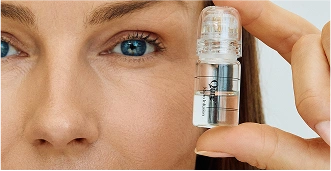
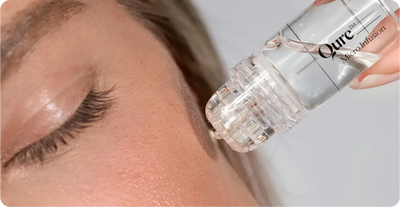
Complementary products like hypochlorous acid spray and micro dart patches enhance results by hydrating and strengthening the skin barrier.

Frequently Asked Questions
Is Red or Blue Light Better for Acne?
Blue light eliminates acne-causing bacteria, while red light reduces inflammation and supports healing. Using both wavelengths together offers the most complete acne solution.
Does Red Light Therapy Help Wrinkles?
Yes. Red and deep-red wavelengths stimulate collagen production and improve elasticity, reducing the appearance of fine lines with consistent use.
Can I Use Both Red and Blue Light in One Session?
Yes. Dual-light sessions are safe and effective. Qure's LED mask allows simultaneous or alternating wavelengths for customized, dermatologist-designed treatments.
What's the Difference Between Red, Blue, and Infrared Light?
Red light targets mid-depth skin layers for rejuvenation, blue light focuses on the surface to combat acne, and infrared light penetrates deeper to support cellular recovery and circulation.
Conclusion
When comparing red light vs blue light therapy, it's clear that both serve vital, complementary roles in skin health.
Red light rebuilds and fortifies the skin's foundation, while blue light keeps the surface clear and balanced.
Qure Skincare's five-wavelength LED system integrates both within a single, science-driven platform – bringing dermatologist-level care directly into your hands.
It's skincare rooted in research, designed for real life, and proven safe for even the most sensitive complexions.
Enjoy the benefits of full-spectrum light therapy with the Q-Rejuvalight Pro red light mask – professional results, no clinic required.
Read more about targeted skincare topics:
Most Popular Posts
-
 #Skin
#Skin
What You Eat Can Reduce Premature Aging by...
-
#Skincare
Beauty Sleep Is Real!
-
#LED Light Therapy
Hack your skincare to match your menstrual cycle
-
#Skin
Ice Bath Facial: the affordably cool hack that...
-
#Skincare
5 Ways To Prevent Premature Ageing
-
#Skincare
Glow Up for the Holidays: Radiant Skin Tips...
-
#LED Light Therapy
Shining Light On Sun-Damaged Skin
-
#LED Light Therapy
How LED Therapy Can Transform Your Skin
-
#Skin
How Cortisol Affects the Skin: The Stress-Skin Connection...
-
#Skin
The Hidden Toll of Smoking on Your Skin:...


