Should I Put Anything On My Skin Before Red Light Therapy?

Written by Our Editorial Team
6 min read
Red light therapy feels straightforward until you're standing at the sink, freshly cleansed, wondering if you should apply skincare first. If your skin runs dry or is sensitive, skipping products can feel uncomfortable. If your routine is active-heavy, you might worry that bare skin means missing a chance to “boost” results.
That's why the question, “Should I put anything on my skin before red light therapy?” comes up so often.
The good news is that you don't need a complicated protocol. The most effective red light routines tend to be the simplest ones, and the ones you can repeat without irritation.
What this article covers:
- The Short Answer: Clean, Dry Skin Works Best
- What You Can Put On Before Red Light Therapy
- What You Should Avoid Before Red Light Therapy
- What To Apply After Red Light Therapy
- How To Build A Simple Red Light Therapy Routine
- Frequently Asked Questions
The Short Answer: Clean, Dry Skin Works Best
Yes, clean, dry skin is the best default before red light therapy.
Here's why: skincare products can form a layer on the surface that may block or reflect light before it reaches the skin. Even if a product feels lightweight, it can make your session less consistent because application thickness varies from day to day.
Clean, dry skin gives you the most predictable exposure and the most reliable results.
That said, your device instructions matter most. If a specific device recommends a certain prep step, follow that guidance, because output and design vary.
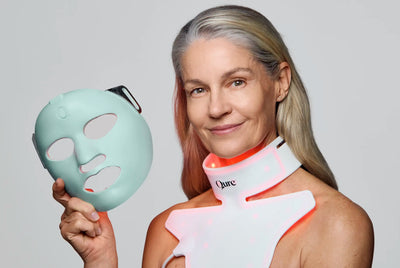
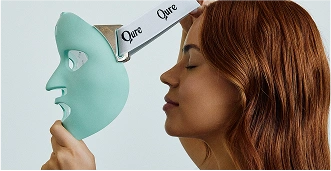
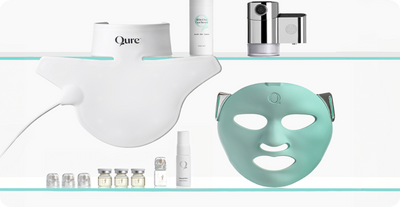
For consistent face coverage with a controlled routine, a wearable device can make things easier. Qure's red light mask is designed for repeatable facial positioning and a simple routine you can follow without guesswork.

What You Can Put On Before Red Light Therapy
The most reliable approach is still bare skin, but there are a few cautious exceptions when comfort is an issue.
If your skin feels tight or uncomfortable after cleansing, you can consider a very light, non-occlusive layer, but only if it does not leave a glossy film.
Before treatment, keep it:
- Lightweight
- Non-greasy
- Fragrance-free
- Free of shimmer or tint
The goal is comfort without creating a barrier.
Even then, bare skin remains the most consistent choice for results, especially if you are treating visible texture concerns or fine lines.
If you want hydration support without heavy layering, it's often better to treat first, then apply skincare after the session.
What You Should Avoid Before Red Light Therapy
If you want predictable results, avoid anything that creates thickness, shine, tint, or irritation risk before your session. These products can reduce light penetration or increase sensitivity.
Sunscreen
Sunscreen is designed to block or filter light. That is exactly what you want outdoors, but not what you want during a red light session.
Use sunscreen after red light therapy if it's daytime and you're going outside. For pigment-prone skin, including concerns like red light therapy melasma, daily photoprotection matters even more because uneven tone is often triggered by UV and visible light.
Heavy Moisturizers, Oils, Balms, and Occlusives
Avoid thick layers that sit on top of the skin, including:
- Oils and facial oils
- Balms and ointments
- Heavy night creams
- Thick body butters on treatment areas
These can interfere with even exposure and can trap heat, which may make the session feel less comfortable for sensitive skin.

Makeup and Tinted Skincare
Foundation, tinted moisturizer, bronzing drops, and even tinted SPF should never be on the skin during treatment. They block light, create uneven coverage, and reduce consistency from session to session.
If your goal is visible improvement, treat red light therapy like a clean-skin step, not something you do over a full routine.
Strong Actives Right Before Treatment (If You're Sensitive)
If you use retinoids, exfoliating acids, or strong brightening actives, applying them right before red light therapy can increase irritation risk for reactive skin.
This is especially relevant if you have:
- A compromised barrier
- Recent exfoliation
- Post-procedure sensitivity
- Chronic redness or dryness
You can still use actives in your routine, but spacing them away from your light session is often more comfortable.
What To Apply After Red Light Therapy
After red light therapy, your goal is simple: hydrate, support the barrier, and protect the results.
This is the ideal moment to apply skincare because you're no longer concerned about blocking light. You can focus on comfort and consistency.
Hydrating Serums
A gentle serum can support skin softness and bounce without overwhelming the skin. Common supportive options include hydrating and barrier-friendly ingredients like hyaluronic acid, peptides, or niacinamide.
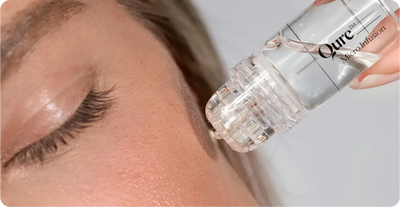
Qure's anti aging serum fits well after red light therapy because it supports skin quality without requiring harsh exfoliation or aggressive stimulation.
Moisturizer to Lock in Hydration
Follow with a moisturizer that seals in hydration and supports the barrier. This is especially important if your skin tends to feel tight after cleansing.
If you're treating body areas and want a smoother-looking texture over time, this after-step matters too. For example, with red light therapy stretch marks, the most noticeable improvements often come from consistent sessions paired with barrier support, not from intensity or complicated stacking.

Sunscreen if It's Daytime
If you do red light therapy in the morning, sunscreen should always be your final step.
This is not because red light therapy makes you “sun sensitive,” but because photoprotection is essential for maintaining even tone and supporting long-term skin stability, especially if pigment is part of your concern.
How To Build A Simple Red Light Therapy Routine
The best routine is the one you can repeat. Red light therapy works through consistency, not extremes. A structured routine prevents overthinking and reduces the temptation to stack too many products.
AM Routine Example
Use this routine when you want glow and stability during the day:
- Cleanse
- Pat your skin completely dry
- Red light therapy session (follow your device timing)
- Moisturizer
- Sunscreen
If you want face-specific coverage with a consistent setup, Qure's red light mask helps standardize distance and positioning, which supports repeatability.
PM Routine Example
Use this routine when your goal is recovery and long-term texture support:
- Cleanse
- Pat your skin completely dry
- Red light therapy session (follow your device timing)
- Serum
- Moisturizer
After your session, Qure's anti aging serum can support a smoother, more resilient look over time.
For neck and chest care, which often show early signs of texture change, adding a dedicated device can help maintain consistency. Qure's red light neck mask is designed for that coverage in a controlled, wearable format.
Frequency Reminder: Consistency Beats Intensity
Most people get better results from a repeatable schedule than from trying to “make up” missed sessions with longer exposure. Avoid doubling your session time if you missed a day. Follow your device instructions and keep the routine stable.

Frequently Asked Questions
Can I Use Moisturizer Before Red Light Therapy?
It's best not to. Moisturizer can create a barrier that reduces how much light reaches your skin. If your skin feels tight after cleansing, treat first and moisturize afterward. If you must apply something before, keep it extremely lightweight and non-occlusive.
Do I Need Sunscreen After Red Light Therapy?
Yes, if it's daytime and you're going outside. Sunscreen protects against UV and visible light triggers that can worsen uneven tone and undo progress.
Conclusion
Clean, dry skin is the default because it provides the most predictable light exposure and the most consistent results over time. Save your hydration, serums, and moisturizers for after your session, when they can support your barrier without interfering with light delivery.
At Qure, we build FDA-cleared and dermatologist-approved products designed for consistent at-home use and made to deliver results without unnecessary irritation.
If you want a simple, repeatable facial routine, use our red light mask. For neck and chest support, add our red light neck mask. Pair your sessions with barrier-supportive skincare like our anti aging serum, then protect your progress daily with sunscreen.
Read more about targeted skincare topics:
Most Popular Posts
-
 #Skin
#Skin
What You Eat Can Reduce Premature Aging by...
-
#Skincare
Beauty Sleep Is Real!
-
#LED Light Therapy
Hack your skincare to match your menstrual cycle
-
#Skin
Ice Bath Facial: the affordably cool hack that...
-
#Skincare
5 Ways To Prevent Premature Ageing
-
#Skincare
Glow Up for the Holidays: Radiant Skin Tips...
-
#LED Light Therapy
Shining Light On Sun-Damaged Skin
-
#LED Light Therapy
How LED Therapy Can Transform Your Skin
-
#Skin
How Cortisol Affects the Skin: The Stress-Skin Connection...
-
#Skin
The Hidden Toll of Smoking on Your Skin:...


