


“Does red light therapy dissolve filler?” is a common question we hear among people who combine injectables with at-home or in-clinic skin treatments. The concern usually comes from noticing changes in skin appearance after starting red light therapy.
In short, red light therapy works at the skin level, not deep enough to directly break down dermal fillers. Understanding why requires looking at how both treatments function in the skin.
What this article covers:
- Red Light Therapy Does Not Appear To Dissolve Filler
- What Actually Dissolves Dermal Fillers?
- Why People Think Red Light Therapy Might Dissolve Filler
- What Red Light Therapy Actually Does
- Can You Use Red Light Therapy After Filler?
Red Light Therapy Does Not Appear To Dissolve Filler
Red light therapy does not appear to dissolve dermal fillers. It is not designed to break down injected substances.
Red light therapy typically uses wavelengths between 630 nm and 660 nm. These wavelengths penetrate about 2 to 5 millimeters into the skin, reaching the dermis but not significantly affecting deeper structures where filler is often placed.
Dermal fillers, especially hyaluronic acid fillers, are usually injected into the mid to deep dermis or even the subcutaneous layer, depending on the treatment area.
In clinical practice, red light therapy is used to support skin appearance and assist recovery after procedures. It's not used as a tool to remove or degrade filler. Expert consensus consistently frames red light therapy as too superficial and too low in energy to break down filler material.
What Actually Dissolves Dermal Fillers?
Only some dermal fillers can be actively dissolved. If the filler is hyaluronic acid-based, hyaluronidase is the standard treatment used to break it down.

Hyaluronic Acid Fillers: Dissolved With Hyaluronidase
Hyaluronidase is an enzyme that cleaves hyaluronic acid, which is why it can reduce unwanted HA filler over hours to days, depending on the product, degree of cross-linking, placement, dose, and injection technique.
It is a clinician-delivered reversal treatment, not something that happens with red light therapy or routine facial devices.
Calcium Hydroxylapatite Fillers: Managed, Not Directly Dissolved
Calcium hydroxylapatite filler is not dissolved with hyaluronidase because it is not made of hyaluronic acid. It is usually managed by allowing gradual resorption or by treating specific complications, such as nodules, with in-office approaches based on the clinical issue.
Poly-L-Lactic Acid Fillers: Treated Based On The Complication
Poly-L-lactic acid works more as a collagen stimulator than a simple space-filling gel. Unwanted results are usually managed rather than dissolved.
If nodules or uneven areas develop, treatment may involve clinician-guided options such as intralesional medications or other corrective measures, depending on the case.
Collagen Fillers: Broken Down Over Time
Collagen fillers are generally temporary and are broken down by the body over time. They're not typically reversed with a dedicated dissolving enzyme, the way hyaluronic acid fillers are.
PMMA Fillers: Long-Lasting And Not Enzymatically Dissolved
PMMA filler is long-lasting and is not dissolved by hyaluronidase. If complications occur, management may involve medical treatment for inflammation or nodules, and in more difficult cases, surgical removal may be considered.
Red light therapy does not work like any of these filler-reversal methods. It supports skin through nonthermal photobiomodulation, not through enzymatic breakdown, so it is not considered a treatment for dissolving dermal fillers.

Why People Think Red Light Therapy Might Dissolve Filler
In our experience, people often notice visible changes in their skin after starting red light therapy that can be misinterpreted as filler loss:
- Skin looks different after treatment: Red light therapy improves skin clarity and smoothness. This can change how light reflects off the face, making contours appear different.
- Reduced puffiness can be mistaken for filler loss: red light therapy may support lymphatic movement and reduce mild fluid retention. Less swelling can make the face look less full.
- Improved skin tone can change how volume appears: Even skin tone reduces shadowing. Areas that once looked hollow or uneven may appear more balanced, altering the perception of filler placement.
- People confuse red light with heat-based or more aggressive treatments: Treatments like radiofrequency or ultrasound generate heat and can affect deeper tissue layers. Red light therapy does not operate in the same way.
What Red Light Therapy Actually Does
Red light therapy works by supporting the skin's natural processes. Its effects are subtle, cumulative, and focused on skin quality rather than structural change.
Supports Skin Appearance
Red light stimulates fibroblast activity, which can support collagen production over time. This helps improve skin texture and firmness.
People often notice smoother skin and a more refined surface after consistent use. This can enhance the overall result of filler without altering its volume.
May Help Reduce Visible Redness
Red light therapy can modulate inflammatory pathways. It may help calm visible redness by influencing cytokine activity in the skin. This effect is useful after treatments that cause temporary irritation, including injectables or peels.
May Help With Acne And Signs Of Aging
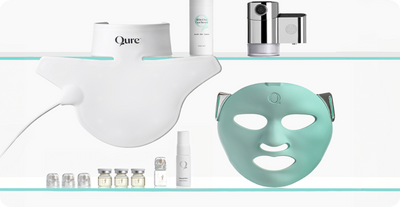
Red light supports healing and may reduce the appearance of fine lines. It also complements acne care when paired with other wavelengths like blue light. For full-face support, a red light mask delivers consistent exposure across the skin, making it easier to maintain results at home.

Can Be Used As A Complementary Skin Treatment
Red light therapy fits into a broader skincare routine. It works well alongside professional treatments because it supports recovery without adding stress to the skin.
A common concern we see is whether combining treatments reduces their effectiveness. In practice, red light therapy often enhances overall skin quality, which can make other treatments look better.
Can You Use Red Light Therapy After Filler?
Yes. In most cases, you can use red light therapy after filler once the initial swelling and tenderness have settled. Many clinicians suggest waiting 24 to 48 hours. That gives the injection sites time to calm down and helps you avoid extra irritation right after treatment.
After that, red light therapy may support recovery by calming visible redness and helping the skin look less reactive. It doesn't dissolve filler or interfere with filler integration. That post-procedure camping is also why some people use red light therapy after chemical peel.
If you do decide to use red light therapy after dermal fillers, make sure you use an FDA-cleared red light mask or red light neck mask. That way, you can trust the dose and enjoy predictable and studied outcomes.
Conclusion
Does red light therapy dissolve filler? No, it does not. Red light therapy works at the skin level and does not break down dermal fillers.
The confusion comes from visible changes in skin tone, texture, and swelling. These changes can alter how filler looks, but they do not affect the filler itself.
If you want to maintain healthy, resilient skin alongside filler, consistent red light therapy can be a valuable addition.
Turn to red light therapy you can trust: Qure's FDA-cleared red light mask is designed to treat wrinkles and mild to moderate inflammatory acne, while the FDA-cleared red light neck mask helps improve the look of tone and texture on the neck and chest.
Read more about targeted skincare topics:
Most Popular Posts
-
 #Skin
#Skin
What You Eat Can Reduce Premature Aging by...
-
#Skincare
Beauty Sleep Is Real!
-
#LED Light Therapy
Hack your skincare to match your menstrual cycle
-
#Skin
Ice Bath Facial: the affordably cool hack that...
-
#Skincare
5 Ways To Prevent Premature Ageing
-
#Skincare
Glow Up for the Holidays: Radiant Skin Tips...
-
#LED Light Therapy
Shining Light On Sun-Damaged Skin
-
#LED Light Therapy
How LED Therapy Can Transform Your Skin
-
#Skin
How Cortisol Affects the Skin: The Stress-Skin Connection...
-
#Skin
The Hidden Toll of Smoking on Your Skin:...


