Green Light Therapy vs Red Light Therapy

Written by Our Editorial Team
6 min read
Light therapy has earned a lasting place in modern skincare because it offers something many people want but rarely find in one treatment: visible results and clinical credibility.
When comparing green light therapy vs red light therapy, the real difference lies in how each wavelength interacts with skin cells and what concerns each one is best equipped to address. Both options offer non-invasive, evidence-based benefits, but they don't perform the same job.
For anyone building a smarter at-home routine, knowing where each treatment excels makes it much easier to choose with confidence.
What this article covers:
- What Is Green Light Therapy?
- What Is Red Light Therapy?
- Green Light Therapy vs Red Light Therapy: What Is The Difference?
- Can You Use Green Light Therapy And Red Light Therapy Together?
- Which Light Therapy Is Better For Your Skin Goals?
- You May Need A Multi-Treatment LED Device If…
What Is Green Light Therapy?
Green light therapy uses wavelengths typically in the 520 to 560 nanometer range, placing it in the mid-visible spectrum. This range allows it to penetrate the upper layers of the skin, primarily affecting the epidermis and superficial dermis.
Because of this shallow penetration, green light interacts more directly with melanocytes, the cells responsible for melanin production. Its role in skincare is often discussed in relation to pigment regulation rather than structural repair.
In skincare content, green light therapy is most often associated with:
- Helping improve the appearance of hyperpigmentation
- Supporting a more even-looking skin tone
- Addressing visible discoloration in a targeted way
- Offering a gentler, more surface-focused approach than deeper-penetrating wavelengths

What Is Red Light Therapy?
Red light therapy operates within the 620 to 660 nanometer range, often extending into near-infrared wavelengths between 810 and 880 nm. These longer wavelengths penetrate deeper into the skin, reaching the dermis where structural processes take place.
At this depth, red light interacts with mitochondrial chromophores, particularly cytochrome c oxidase. This interaction supports increased adenosine triphosphate (ATP) production, which fuels cellular activity and repair processes.
In skincare, red light therapy is most commonly associated with:
- Supports collagen production through fibroblast stimulation
- Helps reduce the appearance of fine lines and wrinkles over time
- Improves the look of skin firmness and elasticity
- Promotes more even-looking skin by reducing visible redness and post-blemish marks
- Enhances ATP production, supporting overall skin repair and resilience
Green Light Therapy vs Red Light Therapy: What Is The Difference?
The difference between green light and red light therapy starts with wavelength, but it also involves penetration depth, cellular targets, and the type of skin concern each one is most often used to address.
In skincare, those distinctions matter because they shape both the expected results and the strength of evidence behind each treatment.
|
Category |
Green Light Therapy |
Red Light Therapy |
|
Typical wavelength range |
520 to 560 nm |
620 to 660 nm |
|
Approximate depth of action |
More superficial, mainly the epidermis and upper dermis |
Deeper, reaching into the dermis |
|
Primary cellular targets |
Melanocytes and pigment-related pathways |
Fibroblasts, mitochondria, cytochrome c oxidase |
|
Main skincare focus |
Appearance of discoloration and uneven-looking tone |
Collagen support, visible aging concerns, and overall skin rejuvenation |
|
Common use in skincare content |
More targeted, narrower positioning |
Broader, more established positioning |
|
How it is typically used |
Usually, for specific tone-related concerns |
Often used as a foundational treatment in rejuvenation routines |
|
Current evidence base |
More limited and narrower in skincare |
Broader photobiomodulation research and stronger skincare visibility |
|
Best way to think about it |
Surface-level tone support |
Deeper structural skin support |

Wavelength And Depth
Green light generally falls within the 520 to 560 nanometer range, which places it in a shorter visible wavelength band with more superficial skin penetration.
In practical terms, that means it acts primarily within the epidermis and upper dermis, where pigment distribution and surface-level tone irregularities are more relevant.
Red light typically falls within the 620 to 660 nanometer range, with some devices also incorporating near-infrared wavelengths beyond that range for deeper penetration.
These longer wavelengths reach further into the dermis, where they can interact with fibroblasts and mitochondrial chromophores such as cytochrome c oxidase. That deeper activity is one reason red light is more closely associated with skin rejuvenation and visible aging support.
Primary Skin Concerns Targeted
Because green light acts more superficially, it is more commonly discussed in relation to uneven-looking skin tone and pigment-related concerns. Its cosmetic use tends to center on how skin appears at the surface rather than on deeper structural change.
Red light is used more often for concerns linked to dermal function and visible skin aging. It's commonly positioned around collagen support, the appearance of fine lines, skin firmness, and overall skin quality.
In other words, green light is usually framed around tone correction, while red light is framed around rejuvenation.
How Each Treatment Is Commonly Used
Green light is usually presented as a more targeted option rather than a broad, all-purpose skincare treatment. It tends to appear in narrower conversations around tone management and specialized concerns, rather than as a standard starting point for skin rejuvenation.
Red light is more often used as a foundational modality in at-home and in-office skincare routines. It's typically applied consistently over time as part of a long-term strategy for visible anti-aging support and overall improvement in skin appearance.

What The Research Currently Supports
Red light therapy has a broader and more established body of literature in photobiomodulation, particularly in relation to cellular energy production, inflammatory signaling, and skin rejuvenation outcomes.
That does not mean every consumer claim is equally strong, but it does mean red light has wider recognition and stronger support in skincare-focused research and mainstream skin health content.
Green light therapy remains more limited in the skincare literature. Interest exists, especially around pigmentation-related appearance concerns, but the evidence base is narrower, and the cosmetic positioning is more cautious.
For that reason, green light is better described as a targeted adjunctive option rather than a direct substitute for red light in most skin rejuvenation routines.
Can You Use Green Light Therapy And Red Light Therapy Together?
Yes, you can use green light therapy and red light therapy together, as they target different skin concerns and operate at different depths.
Using both wavelengths can make sense when your skin concerns include both tone irregularities and visible aging.
Green light, typically in the 520 to 560 nm range, works more superficially to influence melanocyte activity and visible pigmentation. Red light, in the 620 to 660 nm range, penetrates deeper into the dermis, where it supports cellular energy production and collagen-related processes.
Because these mechanisms are distinct, they can complement each other rather than compete. This allows you to address multiple concerns, such as uneven tone and loss of firmness, within the same overall routine.
In practice, alternating treatments is usually the most effective approach. Spacing sessions helps prevent overstimulation while still allowing each wavelength to deliver its intended effect. Following device-specific instructions is especially important for maintaining skin balance, particularly if your skin is sensitive or reactive.

Which Light Therapy Is Better For Your Skin Goals?
Choosing the right treatment depends on what you want to prioritize and how your skin responds to different modalities.
Choose Green Light Therapy If…
Green light therapy may be the better fit if:
- Your primary concern is visible discoloration or uneven tone
- You want a more surface-level treatment that focuses on pigment-related concerns
- Your skin is highly sensitive and does not tolerate more intensive modalities well
Choose Red Light Therapy If…
Red light therapy may be the better fit if:
- You are focused on fine lines, firmness, or overall skin rejuvenation.
- You want a treatment that supports deeper structural processes in the skin.
- You are building a long-term routine centered on visible anti-aging results, including pairing with an anti aging serum or treatments like red light therapy after chemical peel.
You May Need A Multi-Treatment LED Device If…
A multi-treatment LED device may be the better choice if your skin concerns don't fit neatly into one category. This is especially true when you want more flexibility in your routine or want to address several visible concerns with one clinically designed system.
You may want a multi-treatment LED device if:
- Your skin concerns overlap, such as fine lines, breakouts, or uneven-looking skin
- You want flexibility to adapt your routine over time
- You prefer one FDA-cleared device that supports multiple treatment modes safely and consistently
- You want to simplify your routine without relying on several separate tools
At Qure, we focus on delivering clinical-quality skincare through FDA-cleared devices that prioritize both efficacy and safety.
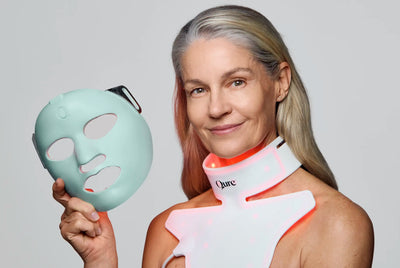
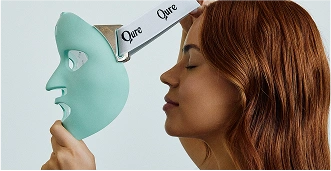
The Q-Rejuvalight Pro Facewear red light mask uses five wavelengths, ranging from blue to infrared, and offers distinct anti-aging and anti-breakout treatment modes. The Anti-Aging Treatment uses red, deep red, infrared, and amber light, while the Anti-Breakout Treatment uses red and blue light.
That multi-wavelength design makes it a practical option for users who want to address more than one visible skin concern with a single at-home LED device.
Conclusion
Red light therapy is the stronger choice for most skincare goals, particularly when addressing visible aging and overall rejuvenation. Green light therapy plays a more targeted role, primarily focused on the appearance of discoloration and tone.
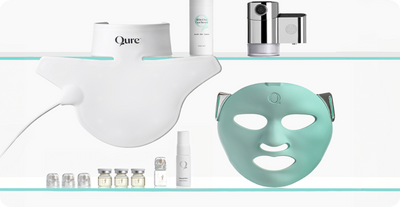
At Qure, we believe in science-first skincare that delivers real results without compromising skin health. Our FDA-cleared devices, including our advanced red light mask and red light neck mask, are designed to support consistent, clinically grounded results from home.
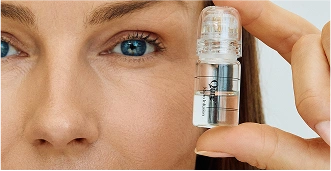
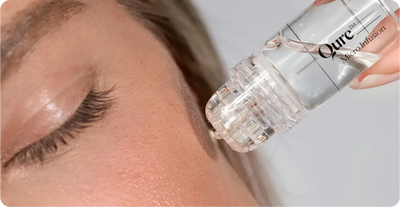
To build a more complete routine, pair light therapy with targeted solutions like the micro infusion facial system for enhanced absorption, micro dart patches for precision treatment, and a hypochlorous acid spray to support skin balance.
Learn more about science-backed skincare with these articles:
Most Popular Posts
-
 #Skin
#Skin
What You Eat Can Reduce Premature Aging by...
-
#Skincare
Beauty Sleep Is Real!
-
#LED Light Therapy
Hack your skincare to match your menstrual cycle
-
#Skin
Ice Bath Facial: the affordably cool hack that...
-
#Skincare
5 Ways To Prevent Premature Ageing
-
#Skincare
Glow Up for the Holidays: Radiant Skin Tips...
-
#LED Light Therapy
Shining Light On Sun-Damaged Skin
-
#LED Light Therapy
How LED Therapy Can Transform Your Skin
-
#Skin
How Cortisol Affects the Skin: The Stress-Skin Connection...
-
#Skin
The Hidden Toll of Smoking on Your Skin:...


