Do You Need Eye Protection For Red Light Therapy?

Written by Our Editorial Team
6 min read
Do you need eye protection for red light therapy when you use an LED device at home? It is a smart question, especially if you are investing in clinical-grade skincare and want results without compromising safety.
The eyes are delicate, and any light-based treatment placed close to the face deserves careful consideration. Red light therapy is not the same as ultraviolet exposure or high-intensity laser treatments, but that distinction is not always clear online.
Understanding how red light interacts with skin and ocular tissue allows you to use advanced technology confidently, without unnecessary fear or avoidable risk.
What this article covers:
- Do You Need Eye Protection For Red Light Therapy?
- How Red Light Therapy Interacts With The Eyes
- When Eye Protection Is Recommended
- Is Red Light Therapy Safe Around The Eye Area?
- How To Use Red Light Therapy Safely At Home
- Frequently Asked Questions
Do You Need Eye Protection For Red Light Therapy?
Most FDA-cleared LED face masks do not require additional goggles when used exactly as directed. Device engineering, wavelength, intensity, and session timing determine safety far more than fear-based online advice.
Red light therapy devices emit visible red and sometimes near-infrared wavelengths at controlled, low energy levels. These wavelengths are non-ionizing. They do not damage DNA the way ultraviolet radiation does.
This is an important distinction from tanning beds, which is why conversations about red light therapy before or after tanning involve UV exposure risk, not LED safety.
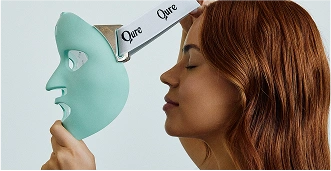
When using an FDA-cleared red light mask, keep your eyes gently closed throughout the session. Avoid staring directly at exposed LEDs. Following those two guidelines significantly minimizes retinal exposure.

How Red Light Therapy Interacts With The Eyes
Red light sits within the visible spectrum. The retina detects visible light, but detection does not equal damage. Risk depends on intensity and duration.
Visible Red Light Vs Near-Infrared Light
Visible red light can be seen. Near-infrared light penetrates deeper into tissue and cannot be seen by the eye. Both are commonly used in photobiomodulation, and both are non-ionizing.
Unlike UV radiation, these wavelengths do not trigger tanning, sunburn, or DNA mutation. That is why concerns about red light therapy sunburn differ fundamentally from concerns about red light eye safety.
Can Red Light Damage The Retina?
There is no strong evidence that FDA-cleared, low-level LED devices with controlled output cause retinal injury when used as directed. Retinal risk rises with high-energy lasers or with prolonged, direct viewing of very intense light sources.
Brightness And Comfort
Even safe wavelengths can feel bright. If you open your eyes during a session, you may notice temporary afterimages or sensitivity. These effects are usually short-lived and related to brightness rather than structural injury.
When Eye Protection Is Recommended
Not all light devices are equal. Context determines when protective eyewear becomes necessary.
High-Intensity Clinical Treatments
In-clinic laser treatments require opaque eye shields because lasers concentrate high energy in a focused beam. These devices can damage ocular tissue without protection. This requirement does not automatically apply to FDA-cleared home LED masks.

Open-Panel Or Non-Facial Devices
If you are using large LED panels at close range, especially without a mask barrier, goggles may provide reassurance. Avoid direct viewing of diodes and maintain the recommended distance.
Sensitive Or Medically Complex Individuals
If you have retinal conditions or extreme light sensitivity, consult your physician before beginning treatment. While red light is not UV, individualized medical guidance is essential.
Is Red Light Therapy Safe Around The Eye Area?
The periocular region often shows early collagen decline. Controlled red light exposure can support collagen remodeling in this delicate area when applied correctly.
Keep your eyes closed throughout facial sessions. Do not press devices aggressively into the orbital bone, and if you are combining treatments, timing matters. For example, with red light therapy after Botox, wait until your provider confirms it is safe to introduce any device that rests against the face.
How To Use Red Light Therapy Safely At Home
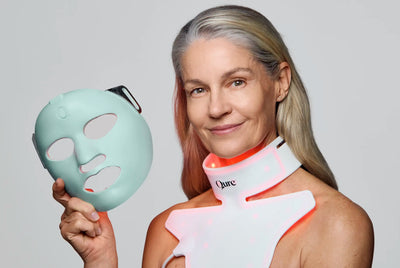
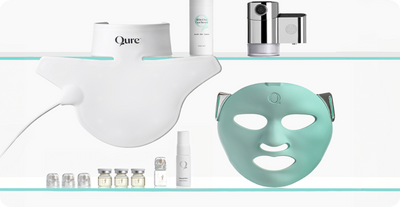
Use an FDA-cleared red light mask like Qure, then treat the rest as a clinical protocol. Once you have the right tool, your results and your comfort come down to how you use it.
- Follow the device's session timing and frequency exactly, and avoid extending sessions beyond the manufacturer's directions.
- Keep your eyes gently closed during facial treatments, and do not stare directly at exposed LEDs.
- Remove contact lenses before treatment if your eyes run dry or are sensitive.
- Calm reactive skin before or after LED sessions with a soothing hypochlorous acid spray.
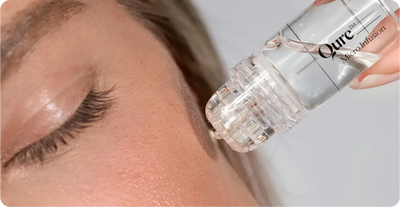
- If you want to pair treatments in your routine, use the micro infusion facial system as directed and keep your schedule consistent, so your skin stays supported while you build results.
- Target small, stubborn areas with micro dart patches when you want precision without overworking surrounding skin.
- When you use the red light neck mask, close your eyes if any light angles upward toward your face.
- Finish with an anti aging serum to support skin comfort and a healthy-looking barrier.
Using your red light therapy mask should be simple and comfortable. Just like the Qure experience was for one of our verified customers, Sofia Q:
“I've had a great experience using the Q-Rejuvalight Pro Facewear. It's easy to use, comfortable to wear, and fits well on the face.”

Frequently Asked Questions
Are Goggles Required For Every Red Light Therapy Session?
No. For FDA-cleared LED masks used with eyes closed, additional goggles are typically unnecessary. Laser procedures are different and always require protection.
Can Red Light Therapy Improve Eye Health?
Some clinical research explores photobiomodulation for specific retinal conditions under medical supervision. Cosmetic LED masks are designed for skin benefits, not ophthalmologic treatment.
What Should I Do When I Feel Eye Strain Using a Red Light Mask?
Pause the session. Ensure your eyes are fully closed and that the mask fits properly. Resume only if comfortable. If the product is not FDA-cleared, pause treatment and stop using it until you can verify the device's safety testing and manufacturer guidance.
Conclusion
FDA-cleared LED masks are built for at-home facial treatment, and most people can use them comfortably without goggles by keeping their eyes closed, following the recommended session timing, and avoiding direct viewing of exposed LEDs.
If you feel strain, treat it like useful feedback: adjust fit, shorten the session, prioritize comfort over pushing through, and make sure your device is safe to use.
If you want a science-first routine that respects sensitive skin, build your LED sessions around Qure's FDA-cleared red light mask, then support your results with targeted, barrier-conscious care.
Pair treatment days with the calming hypochlorous acid spray, add the precision of micro dart patches for stubborn lines, and finish with the lightweight anti aging serum to keep skin comfortable and resilient.
Read more about targeted skincare topics:
Most Popular Posts
-
 #Skin
#Skin
What You Eat Can Reduce Premature Aging by...
-
#Skincare
Beauty Sleep Is Real!
-
#LED Light Therapy
Hack your skincare to match your menstrual cycle
-
#Skin
Ice Bath Facial: the affordably cool hack that...
-
#Skincare
5 Ways To Prevent Premature Ageing
-
#Skincare
Glow Up for the Holidays: Radiant Skin Tips...
-
#LED Light Therapy
Shining Light On Sun-Damaged Skin
-
#LED Light Therapy
How LED Therapy Can Transform Your Skin
-
#Skin
How Cortisol Affects the Skin: The Stress-Skin Connection...
-
#Skin
The Hidden Toll of Smoking on Your Skin:...


