Do You Need Goggles for Red Light Therapy?

Written by Our Editorial Team
6 min read
Do you need goggles for red light therapy is one of the most common safety questions people ask before starting LED skincare treatments at home. Understanding how light interacts with the eyes is just as important as knowing the skincare benefits.
Red light therapy has become widely used for skin rejuvenation, collagen support, and calming inflammation. Still, the brightness of these devices can raise understandable questions about eye protection and comfort.
What this article covers:
- Do You Need Goggles for Red Light Therapy?
- How Red Light Therapy Interacts With the Eyes
- Do Different Red Light Therapy Devices Require Goggles?
- When You Should Wear Goggles for Red Light Therapy
- When Goggles May Not Be Necessary
- Can You Just Close Your Eyes Instead of Wearing Goggles?
- What Kind of Goggles Are Used for Red Light Therapy?
- Who Should Be More Careful With Red Light Therapy Around the Eyes?
- Best Practices for Using Red Light Therapy Safely Around the Eyes
- Are Red Light Therapy Goggles Worth Using, Even If Optional?
- Using Red Light Therapy Safely and Comfortably With Qure
Do You Need Goggles for Red Light Therapy?
Goggles are sometimes recommended but not always required.
Whether eye protection is necessary depends on several factors, including the device design, light intensity, wavelength, and the distance between the LEDs and the eyes. Many professional dermatology tools and consumer devices are designed differently, which is why safety guidance varies across products.
Some red light therapy tools are built specifically for facial skincare. These devices often include structural features that limit direct eye exposure or instruct users to keep their eyes closed during treatment.
Other devices, particularly large treatment panels or high-output therapeutic lights, produce stronger illumination. In those cases, goggles are frequently recommended to improve comfort and reduce direct exposure.
The key point is that eye protection guidance depends on the specific device and how it is used.

How Red Light Therapy Interacts With the Eyes
Understanding how red light therapy interacts with the eyes helps clarify when goggles are useful and when they may not be necessary.
Visible Red Light and Brightness Exposure
Visible red light sits within the portion of the spectrum that human eyes can detect. When LEDs emit red wavelengths, they appear bright, even if the intensity is calibrated for cosmetic treatments.
This brightness often feels intense when the device sits close to the face. The sensation is similar to looking toward a bright lamp or sunlight.
Natural eye responses automatically help reduce exposure. People instinctively blink, look away, or close their eyes when light becomes uncomfortable. These protective reflexes are part of how the visual system manages brightness.
Feeling brightness does not necessarily indicate harm. However, discomfort can make goggles or closed-eye treatments more appealing for some users.
Near Infrared Light and Why It Changes the Conversation
Near infrared light behaves differently because it sits outside the visible spectrum.
Unlike visible red light, near infrared wavelengths cannot be seen by the human eye. This means users do not experience the same brightness response that would normally trigger blinking or aversion.
Because near infrared light is invisible, some manufacturers recommend additional caution when devices emit significant infrared energy. High-powered therapy panels and certain clinical tools often include goggles as part of standard usage guidance.

Do Different Red Light Therapy Devices Require Goggles?
Not all red light therapy devices operate the same way. The design and intended treatment area all influence how eye protection is handled.
LED Face Masks
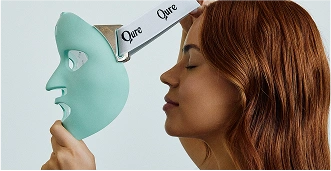
LED face masks are designed specifically for cosmetic facial treatments. These devices sit directly on the skin and distribute light across the entire face.
Many masks include structural features that reduce direct light exposure to the eyes. Some designs incorporate eye cutouts or shielding elements to improve comfort during use.
Because these devices are built for facial skincare, users are often instructed to simply keep their eyes closed during treatment sessions.
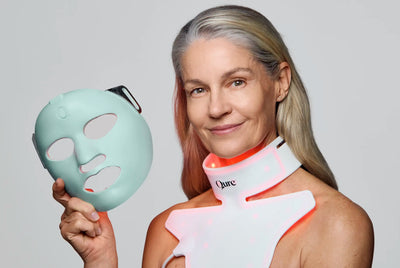
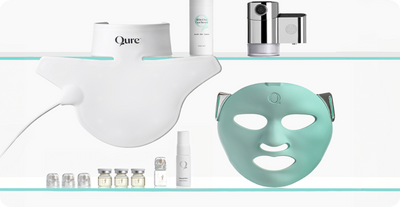
Our FDA-cleared red light mask is a clear example of how advanced LED skincare devices can combine clinical-quality light technology with the ease of at-home use.
Because it is designed specifically for facial treatments, it reflects an important distinction in this category: skincare-focused masks are not the same as larger, more intense panel devices, which often require different eye-protection considerations.
Handheld Red Light Therapy Devices
Handheld tools provide more targeted treatments and can be positioned very close to the skin.
When these devices are used near the eye area, brightness becomes more noticeable. If the light feels intense or uncomfortable, goggles can improve comfort during treatment.
Users should always follow device instructions carefully, particularly when treating delicate areas around the eyes.
Full Body Panels and High-Powered Devices
Large LED panels represent the category where goggles are most frequently recommended.
These systems produce stronger light output and are designed to treat larger areas of the body. Because users often stand or sit directly in front of the light source, exposure to light increases.
Many manufacturers include blackout goggles with panel devices to help shield the eyes during longer sessions.

When You Should Wear Goggles for Red Light Therapy
Users should strongly consider goggles when using high-powered therapy panels or devices that emit substantial near-infrared wavelengths. Treating areas extremely close to the eyes may also warrant extra protection.
Additional situations where goggles may be a good idea include:
- Experiencing discomfort, brightness sensitivity, or eye strain during treatment
- Using a device whose instructions specifically recommend eye protection
- Having a diagnosed eye condition or heightened sensitivity to bright light
- Recovering from a recent eye procedure
- Taking medications associated with photosensitivity
If a treatment feels uncomfortable, goggles can offer a simple way to improve the experience.
When Goggles May Not Be Necessary
In many cases, goggles are not required when using FDA-cleared at-home devices specifically designed for facial skincare.
Products engineered for cosmetic treatments often include safety considerations built into the device itself. These features may include structured LED placement, facial contours, or guidance to keep the eyes closed during treatment.
When using devices exactly as instructed, many people comfortably complete sessions without blackout eye protection.
It is important to remember that optional does not mean irrelevant. If brightness feels uncomfortable, goggles can still be helpful even when they are not mandatory.
Can You Just Close Your Eyes Instead of Wearing Goggles?
Closing the eyes can reduce exposure to visible red light during treatment. Eyelids naturally block a portion of incoming light, helping minimize the amount of light reaching the retina.
For many facial skincare devices, this approach provides adequate comfort during short sessions.
However, closed eyelids do not create the same level of protection as blackout goggles. For higher-output devices or treatments that emit strong infrared wavelengths, goggles may still be recommended even when the eyes remain closed.
The best approach depends on the device design and the manufacturer's guidance.

What Kind of Goggles Are Used for Red Light Therapy?
Several types of eye protection are used during light-based treatments. The type recommended often depends on device intensity and whether the system uses visible red light alone or combines wavelengths such as near-infrared.
Blackout Goggles
Blackout goggles completely block visible light and are most commonly paired with high-powered therapy panels. These systems can emit strong output across both visible and infrared wavelengths, which is why eye shielding becomes more relevant in certain setups.
Light Filtering Glasses
Light-filtering glasses reduce brightness rather than blocking it entirely. Instead of full blackout protection, these glasses soften the intensity of the light so users can remain comfortable while still maintaining limited visibility.
Some people prefer this option during moderate-intensity treatments, particularly when brightness causes mild discomfort, but full shielding is unnecessary.
Filtering lenses can make sessions more comfortable without interfering with the intended treatment distance or positioning.
Built-In Eye Shields or Device-Specific Protection
Certain facial devices incorporate design features that reduce direct light exposure around the eyes. Eye cutouts and built-in shielding can redirect LEDs away from the orbital area while still delivering consistent light across the skin.
Devices engineered specifically for facial skincare are structured differently from large therapy panels, and their safety considerations reflect those differences.

Who Should Be More Careful With Red Light Therapy Around the Eyes?
Individuals with diagnosed eye conditions may benefit from discussing light-based treatments with a healthcare professional before starting.
Those recovering from eye procedures should also take extra care during the healing process, since the tissue surrounding the eyes may be temporarily more sensitive to light.
Additional caution may be helpful for people who regularly experience migraines triggered by bright light or those taking medications linked to photosensitivity.
Anyone who notices unusual irritation, watering, or strain during treatment should pause sessions and reassess their setup.
While cosmetic LED treatments differ from environmental exposure, such as red light therapy vs sunlight, personal comfort should always guide how light-based skincare is used around the eyes.
Best Practices for Using Red Light Therapy Safely Around the Eyes
Several simple habits can improve both safety and comfort during LED sessions:
- Read the device instructions before starting
- Avoid staring directly into bright LEDs
- Maintain the recommended treatment distance
- Stay within the suggested session length
- Close your eyes when directed
- Use goggles when recommended or when brightness feels uncomfortable
- Stop use and reassess if unusual irritation occurs
Are Red Light Therapy Goggles Worth Using, Even If Optional?
Some users choose to wear goggles even when the device instructions do not require them. Comfort is usually the main reason.
Bright LED arrays can feel intense during early sessions, particularly for people who are new to light-based treatments. Goggles remove that distraction and allow users to relax during treatment.
They may also be helpful during longer sessions or when using devices with stronger output.
For individuals with naturally sensitive eyes, blackout protection can make the experience feel noticeably more comfortable.

Using Red Light Therapy Safely and Comfortably With Qure
A well-designed skincare routine makes red light therapy both safe and comfortable to use at home.
Qure's LED technology is designed with this balance in mind. Our FDA-cleared red light mask delivers targeted wavelengths across the face while maintaining a structure intended for comfortable at-home use.
Independent testing has also noted that the light itself is comfortable to use.
In a review comparing LED masks, testers said the Q-Rejuvalight Pro was comfortable and 'the light didn't bother our tester's eyes at all,' per Reviewed.
For those seeking more advanced at-home care, targeted delivery systems can help extend the benefits of LED therapy.
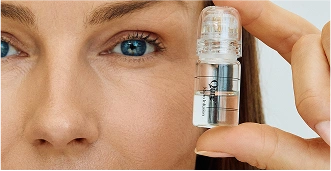
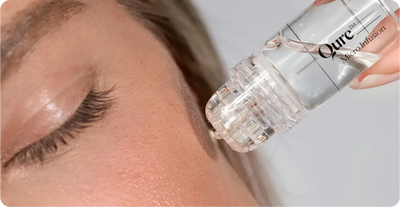
Qure's micro infusion facial system allows carefully formulated ingredients to be delivered into the skin through controlled microchannels, while precision treatments like micro dart patches provide focused care for specific areas of concern.
Comfort also depends on maintaining a calm, balanced skin environment during advanced treatments.
Soothing support, such as the hypochlorous acid spray, can help keep skin clean and balanced throughout the routine, particularly for individuals with reactive or sensitive skin.
Conclusion
Whether you need goggles for red light therapy does not have a universal yes-or-no answer. The need for eye protection depends on several factors, including the device type, light intensity, wavelength, treatment distance, and individual sensitivity.
At Qure, we design skincare technology with both performance and safety in mind. Our FDA-cleared red light mask delivers targeted LED wavelengths through a structure designed specifically for facial treatments, helping you safely and comfortably incorporate red light therapy into your routine.
You can also support your LED treatments with complementary skincare. Apply the anti aging serum to support your skin barrier, enhance advanced routines with the micro infusion facial system, target specific areas with micro dart patches, and keep skin calm with the hypochlorous acid spray.
When you use well-designed technology and follow proper guidance, red light therapy becomes a safe, comfortable, and effective part of a modern at-home skincare routine.
Read more about targeted skincare:
Most Popular Posts
-
 #Skin
#Skin
What You Eat Can Reduce Premature Aging by...
-
#Skincare
Beauty Sleep Is Real!
-
#LED Light Therapy
Hack your skincare to match your menstrual cycle
-
#Skin
Ice Bath Facial: the affordably cool hack that...
-
#Skincare
5 Ways To Prevent Premature Ageing
-
#Skincare
Glow Up for the Holidays: Radiant Skin Tips...
-
#LED Light Therapy
Shining Light On Sun-Damaged Skin
-
#LED Light Therapy
How LED Therapy Can Transform Your Skin
-
#Skin
How Cortisol Affects the Skin: The Stress-Skin Connection...
-
#Skin
The Hidden Toll of Smoking on Your Skin:...


