Red Light Therapy Before Or After Tanning?

Written by Our Editorial Team
6 min read
Should you use red light therapy before or after tanning? If you are combining LED treatments with UV exposure, timing matters more than most people realize.
Tanning and red light therapy work through completely different biological pathways. One stimulates melanin production through ultraviolet stress. The other supports cellular repair through controlled light energy.
Understanding that difference helps you make decisions that protect your skin rather than accelerate damage.
What this article covers:
- Should You Use Red Light Therapy Before Or After Tanning?
- How Tanning Affects Your Skin
- What Red Light Therapy Actually Does To The Skin
- Is It Safe To Do Red Light Therapy Before Tanning?
- Why Red Light Therapy After Tanning Makes More Sense
- Can Red Light Therapy Make Hyperpigmentation Worse?
- Make Your Post-Tan Routine More Skin-Supportive With Qure
Should You Use Red Light Therapy Before Or After Tanning?
Red light therapy is generally safer and more beneficial after tanning. Using it post-exposure supports recovery processes rather than creating a false sense of protection beforehand.
Timing matters because ultraviolet exposure increases oxidative stress and barrier disruption. Skin becomes dehydrated and reactive after tanning. Red light therapy works through photobiomodulation, which can help calm inflammatory signaling and support cellular energy production during recovery.
Red light therapy does not increase melanin production the way UV radiation does. It does not deepen your tan or prepare your skin to tan more evenly.
How Tanning Affects Your Skin
Tanning is a stress response. Ultraviolet radiation penetrates the skin and stimulates melanocytes to produce more pigment. That pigment darkens the skin in an attempt to protect underlying cells from further DNA injury.
At the same time, UV exposure creates oxidative stress and DNA damage. Inflammation increases, moisture levels drop, and collagen fibers begin to weaken.
The short-term glow may look desirable, but repeated exposure contributes to long-term texture changes and visible aging.

UVB Vs UVA Exposure
UVB radiation primarily causes burning. It affects the outer layers of the skin and triggers acute redness and peeling.
UVA penetrates deeper. It plays a larger role in photoaging and collagen breakdown.
Both types matter when layering treatments because inflammation and oxidative stress do not remain superficial. They influence the deeper dermal matrix where firmness and elasticity originate.
What Red Light Therapy Actually Does To The Skin
Red light therapy works through photobiomodulation. Specific wavelengths penetrate the skin and stimulate mitochondria, increasing adenosine triphosphate production (ATP). That ATP then fuels cellular repair processes.
This energy support encourages collagen and elastin production while helping regulate inflammatory pathways. Instead of stressing the skin, LED therapy supports resilience and recovery.
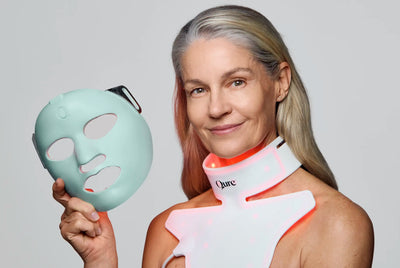
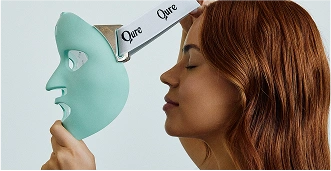
Using an FDA-cleared red light mask ensures that the wavelength and output remain controlled. That consistency matters when you use light intentionally rather than expose your skin to uncontrolled UV radiation.
Red Light Does Not “Set” A Tan
A common myth suggests that red light therapy helps “set” or deepen a tan. There is no evidence that red light stimulates melanin production.
It does not activate the same pathways triggered by ultraviolet exposure.
The association likely exists because some tanning salons market red light beds alongside UV beds. Proximity does not equal mechanism. Red light supports recovery, not pigment production.

Is It Safe To Do Red Light Therapy Before Tanning?
Red light therapy can temporarily increase circulation and give the skin a subtle flush. That does not mean it protects against UV damage.
There is no clinical evidence that red light therapy shields DNA from ultraviolet injury. Using it before tanning should not be viewed as a prep step that makes UV exposure safer.
This misconception creates a dangerous false sense of protection.
If your goal is skin health, using LED therapy to offset deliberate UV damage undermines the purpose of investing in clinical-grade skincare in the first place.
Why Red Light Therapy After Tanning Makes More Sense
After UV exposure, your skin enters an inflammatory state. Redness, tightness, and mild swelling reflect increased blood flow and immune signaling. Red light therapy may help regulate these pathways.
Post-tanning LED sessions can:
- Help calm inflammatory signaling
- Support barrier recovery
- Reduce the appearance of redness
- Encourage collagen support to counteract UV-induced breakdown
This recovery-focused use becomes especially important if you are also navigating treatments such as red light therapy after Botox, where inflammation management plays a central role in outcomes.
How Long Should You Wait After Tanning?
Allow surface heat and redness to subside before beginning a session. If the skin feels hot to the touch, wait.
Some individuals tolerate same-day use once the skin has cooled. Others may benefit from waiting 24 hours. Follow your device-specific guidance and avoid stacking stressors on compromised skin.

Can Red Light Therapy Make Hyperpigmentation Worse?
Red light therapy does not stimulate melanin production. Hyperpigmentation is typically driven by UV exposure, inflammation, or hormonal shifts.
Darkening after tanning is melanin-related. Darkening from inflammation can also occur when skin is repeatedly stressed. Red light therapy supports inflammatory regulation rather than activating pigment pathways.
This distinction also applies to concerns such as red light therapy sunburn, where inflammation drives visible redness rather than pigment stimulation.
Wavelength accuracy and controlled output are essential. FDA-cleared devices ensure consistent emission within therapeutic ranges.
Make Your Post-Tan Routine More Skin-Supportive With Qure
If you are going to tan, treat UV exposure like a stressor your skin has to recover from. The goal is not to “boost” the tan; it is to support your barrier and protect collagen so the short-term glow does not cost you long-term texture.
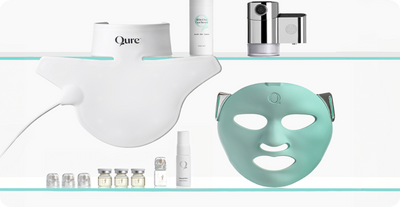
- Use an FDA-cleared red light mask after tanning once surface heat and redness settle, then keep sessions within the recommended timing and frequency.
- Extend that recovery support below the jawline with the FDA-cleared red light neck mask, since the neck and chest often show UV damage early.
- Soothe stressed, reactive skin with a gentle hypochlorous acid spray before or after LED sessions, especially if your skin feels tight or sensitized.
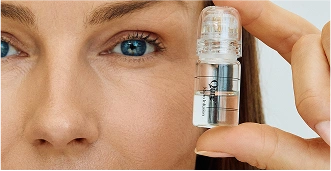
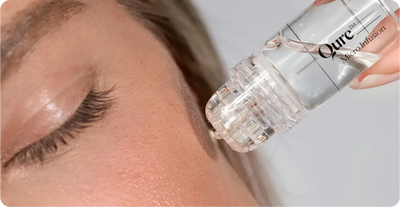
- Finish with an anti aging serum to support a healthy-looking barrier and help skin stay comfortable as it recovers.
In short, using your red light therapy mask after tanning should be simple and comfortable. Just like the experience was for Da:
“I've been using the Qure LED mask for almost 6 months now, and I can honestly say I've seen a real difference in my skin. My face looks smoother and more even-toned. It's become a regular part of my skincare routine, and I love how easy and relaxing it is to use, especially after a long 8 hours of work.”
Conclusion
Red light therapy supports recovery, not tanning. If you choose to combine the two, post-tanning sessions make more sense because they align with what your skin needs after UV exposure: less visible inflammation, a steadier barrier, and better long-term collagen support.
If you are going to tan, build a recovery routine you can repeat without irritating your skin.
Reach for an FDA-cleared red light mask once surface heat settles, then extend that same support to the neck and chest with the red light neck mask, since those areas often show UV stress early. Finish with calming, barrier-friendly care like the hypochlorous acid spray and a lightweight anti aging serum.
At Qure, we believe intelligent skincare should feel clinically grounded and genuinely doable, so you can protect your skin's future while still living your life.
Read more about targeted skincare topics:
Most Popular Posts
-
 #Skin
#Skin
What You Eat Can Reduce Premature Aging by...
-
#Skincare
Beauty Sleep Is Real!
-
#LED Light Therapy
Hack your skincare to match your menstrual cycle
-
#Skin
Ice Bath Facial: the affordably cool hack that...
-
#Skincare
5 Ways To Prevent Premature Ageing
-
#Skincare
Glow Up for the Holidays: Radiant Skin Tips...
-
#LED Light Therapy
Shining Light On Sun-Damaged Skin
-
#LED Light Therapy
How LED Therapy Can Transform Your Skin
-
#Skin
How Cortisol Affects the Skin: The Stress-Skin Connection...
-
#Skin
The Hidden Toll of Smoking on Your Skin:...


