
After a red light session, some people notice a headache, a wave of fatigue, or a few unexpected breakouts and wonder if it means something deeper is happening. It is easy to label that shift as a “detox,” especially when you are doing something that feels clinical and body-focused.
In reality, red light therapy detox symptoms are not an established biological effect of photobiomodulation.
The more useful question is what red light can realistically influence, what it cannot, and how to interpret nonspecific symptoms without turning them into a toxin narrative.
What this article covers:
- Does Red Light Therapy Cause Detox Symptoms?
- Why Some People Report “Detox” Reactions
- Common Symptoms People Attribute To Detox
- Can Red Light Therapy Affect The Lymphatic System?
- When Symptoms May Be Related To Overuse
- When To Speak To A Professional
- Frequently Asked Questions
Does Red Light Therapy Cause Detox Symptoms?
There is no scientific evidence that red light therapy causes a detox reaction.
The human body already has highly specialized detoxification systems: the liver and the kidneys. These organs continuously process metabolic waste, medications, and environmental exposures. No credible data shows that LED-based photobiomodulation triggers a systemic toxin release or overwhelms these systems.
Red light therapy works locally and at the cellular level. It does not mobilize stored toxins. It does not stimulate the liver to purge waste. It does not “flush” the body in a measurable way.
Instead, it uses controlled wavelength light delivered at regulated energy levels to influence cellular activity in the skin and underlying tissues.
When claims of detox are made, they often reflect marketing simplification rather than biological mechanism.
Understanding what the therapy actually does clarifies why detox symptoms are unlikely.

What Red Light Therapy Actually Does In The Body
Red light therapy operates through photobiomodulation. At specific, controlled wavelengths, typically in the red and near-infrared range, light penetrates tissue and is absorbed by chromophores within mitochondria.
This can:
- Stimulate mitochondrial function
- Increase adenosine triphosphate production
- Support anti-inflammatory signaling pathways
- Encourage tissue repair processes
These effects are local and cellular. They do not involve toxin mobilization or systemic cleansing.
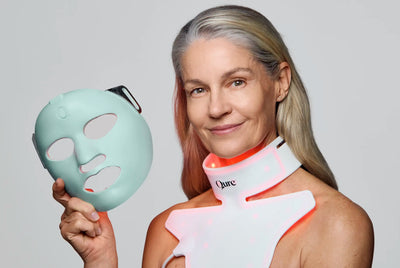
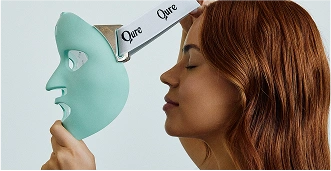
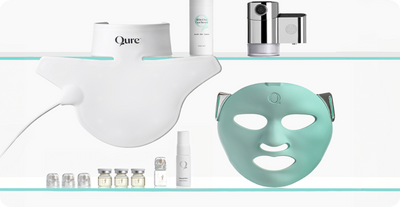
When you use an FDA-cleared device like Qure's red light mask, the light output is calibrated for consistent output and regulated energy levels designed to support skin physiology without inducing thermal injury or systemic stress.
The language of detox does not align with the established mechanism of action.
Why Some People Report “Detox” Reactions
Despite the lack of evidence for a detox process, some individuals report symptoms after beginning LED therapy. These experiences deserve thoughtful explanation rather than dismissal.
Increased Circulation
Red light therapy may increase localized circulation. Enhanced blood flow can produce temporary warmth, mild flushing, or transient redness after a session.
This response is not toxin release. It reflects vascular dilation and increased microcirculation in treated tissue.
Mild erythema that resolves quickly is generally considered a normal, short-lived response to increased blood flow. It should not be interpreted as a detox reaction.

Adjustment To A New Treatment Routine
Starting any new wellness practice can produce subjective changes.
Some individuals feel temporarily fatigued after red light therapy. This may reflect a relaxation response rather than a systemic detox event. Similar sensations occur after massage or other parasympathetic-activating therapies.
Headaches are sometimes reported as part of red light therapy detox symptoms, yet dehydration, stress, caffeine changes, screen exposure, or unrelated triggers are far more common causes.
Correlation does not equal causation. The same pattern shows up with red light therapy after Botox, where normal post-treatment sensitivity or swelling can be misread as a detox-style reaction.
If someone begins LED therapy while also adjusting skincare, sleep patterns, or hydration habits, attributing new symptoms exclusively to light exposure can oversimplify the situation.
Many of the same nonspecific complaints show up in discussions, such as red light therapy sunburn, where irritation and dehydration are often misread as a “detox” response.
Skin Purging Misinterpretation
Another common concern involves breakouts. True skin purging is typically associated with ingredients that accelerate cellular turnover, such as retinoids or exfoliating acids.
LED therapy does not function as a chemical exfoliant.
Breakouts that appear after starting red light therapy may coincide with other changes in a routine. Introducing new occlusive products or microneedling devices at the same time can contribute to congestion.
It is important to distinguish between irritation and purging. Irritation may present as redness, stinging, or small inflammatory lesions. Purging involves the accelerated emergence of pre-existing microcomedones.
LED therapy alone is not known to induce a detox purge.

Common Symptoms People Attribute To Detox
Online discussions about red light therapy detox symptoms often mention:
- Headache
- Fatigue
- Breakouts
- Nausea
- Dizziness
These are nonspecific symptoms with many possible causes.
Headaches can result from dehydration, tension, hormonal shifts, or environmental triggers. Fatigue may reflect stress, sleep disruption, or general lifestyle factors. Nausea and dizziness are not established effects of properly used, FDA-cleared LED devices.
When evaluating symptoms, it is critical to consider the broader context.
- Was hydration adequate?
- Were other treatments introduced?
- Were sessions longer than recommended?
Without controlled clinical data linking red light therapy to systemic detox effects, attributing these symptoms directly to toxin release is speculative.
Can Red Light Therapy Affect The Lymphatic System?
Some preliminary research suggests that photobiomodulation may support aspects of circulation and microvascular flow. This has led to broader claims that red light therapy stimulates lymphatic drainage.
Supporting circulation is not the same as triggering toxin release.
The lymphatic system plays a role in fluid balance and immune surveillance. However, there is no established evidence that red light therapy mobilizes toxins from storage sites into the bloodstream in a way that causes systemic symptoms.
Careful terminology matters here. Improving circulation or reducing localized inflammation should not be reframed as detoxification.
When Symptoms May Be Related To Overuse
Although detox reactions are not supported by evidence, discomfort can happen when red light therapy is used more aggressively than the skin can comfortably tolerate.
Sessions that run longer than recommended, treating too frequently, or layering multiple modalities at once can increase the likelihood of transient redness, warmth, or irritation, especially in sensitive skin.
This is where device quality and protocol design matter.
Qure devices are FDA-cleared and built around safety testing, controlled wavelength delivery, consistent output, and regulated energy levels. When you follow the recommended treatment timing, you reduce the chance of overstimulation and keep results aligned with how photobiomodulation is intended to work.
At Qure, our red light mask and red light neck mask are structured around evidence-based session durations and measured frequency. If you notice sensitivity, the most responsible move is usually to scale back and return to the recommended cadence rather than pushing through symptoms.
The process should be comfortable, like how it was for Qure customer Asra K:
“I have always dealt with a lot of texture and overall sensitive skin that easily breaks out. My skin barrier was always somewhat inflamed, no matter what products I used. I have been consistently using this mask for about a month now, and my skin is visibly smoother and less red.”

When To Speak To A Professional
Always use an FDA-approved red light device that has undergone safety testing and delivers controlled wavelength output at regulated energy levels.
If you experience persistent headaches, prolonged skin irritation beyond mild redness, significant discomfort, or systemic symptoms that do not resolve, consult a healthcare professional.
Individuals with underlying medical conditions, photosensitivity disorders, or those taking medications that increase light sensitivity should seek medical guidance before beginning treatment.
Red light therapy is considered non-ablative and low risk when used appropriately, but it should never replace medical evaluation for unexplained symptoms.
Frequently Asked Questions
Is Detoxing A Real Effect Of Red Light Therapy?
There is no established detox mechanism associated with red light therapy. The body's detoxification processes are managed by the liver and kidneys. Photobiomodulation supports cellular energy and anti-inflammatory pathways but does not trigger toxin release.
Why Do I Feel Tired After Red Light Therapy?
Some individuals report temporary fatigue that may reflect relaxation and parasympathetic activation. This differs from a systemic detox response. Ensuring adequate hydration and appropriate session length can help minimize discomfort.
Can Red Light Therapy Cause Breakouts?
LED therapy is not known to cause purging. Breakouts that occur after starting treatment may relate to concurrent skincare changes, irritation, or coincidence. Evaluate your full routine before attributing acne to light exposure alone.
Should I Push Through Detox Symptoms?
No. Persistent or worsening symptoms should not be ignored. Discontinue use and consult a healthcare professional if you experience ongoing discomfort. Responsible, measured use of FDA-cleared devices is essential.
Conclusion
Red light therapy does not “detox” the body. The concept of red light therapy detox symptoms reflects marketing language more than established biology.
Photobiomodulation works through controlled wavelength exposure, consistent output, and regulated energy levels to support mitochondrial activity, collagen integrity, and tissue recovery. It does not mobilize toxins or overwhelm the liver and kidneys.
Separating myth from mechanism protects both consumer safety and scientific credibility.
At Qure, we take a science-first approach to the “detox” conversation. Our devices are FDA-cleared, and we engineer our red light mask and red light neck mask around safety testing, controlled wavelength delivery, consistent output, and regulated energy levels for non-ablative photobiomodulation.
If you are building a broader routine, we also recommend keeping your support steps as intentional as your device use.
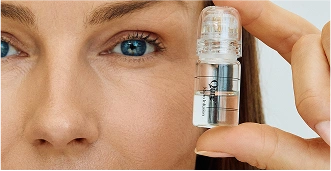
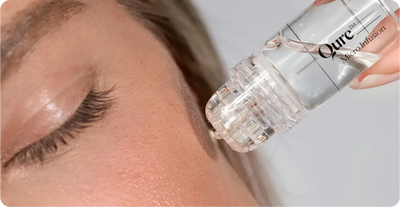
Pairing LED sessions with our anti aging serum helps reinforce hydration and collagen-focused care, while the micro infusion facial system offers a controlled, at-home option for skin revitalization.
Read more about targeted skincare:
Most Popular Posts
-
 #Skin
#Skin
What You Eat Can Reduce Premature Aging by...
-
#Skincare
Beauty Sleep Is Real!
-
#LED Light Therapy
Hack your skincare to match your menstrual cycle
-
#Skin
Ice Bath Facial: the affordably cool hack that...
-
#Skincare
5 Ways To Prevent Premature Ageing
-
#Skincare
Glow Up for the Holidays: Radiant Skin Tips...
-
#LED Light Therapy
Shining Light On Sun-Damaged Skin
-
#LED Light Therapy
How LED Therapy Can Transform Your Skin
-
#Skin
How Cortisol Affects the Skin: The Stress-Skin Connection...
-
#Skin
The Hidden Toll of Smoking on Your Skin:...


