
The “red light therapy sunburn” questions usually come up at the same moment you start regretting that extra half hour outside. Your skin looks flushed, it feels hot to the touch, and even your moisturizer stings.
At that point, you are not chasing a tan; you're trying to calm your skin down and prevent that tight, peeling aftermath.
Red light therapy can support recovery by helping regulate inflammation and encouraging healthier cellular function, but it is not a rewind button for UV exposure.
When you understand what it can realistically do, and when you should wait or skip it altogether, you can treat sunburn in a way that feels both soothing and clinically responsible.
What this article covers:
- Can Red Light Therapy Help A Sunburn?
- What Happens To Your Skin During A Sunburn
- How Red Light Therapy Works On Inflamed Skin
- When To Avoid Red Light Therapy On A Sunburn
- When Red Light Therapy May Be Most Helpful
- What Red Light Therapy Cannot Do for Sunburn
- Frequently Asked Questions
Can Red Light Therapy Help A Sunburn?
Red light therapy may help reduce inflammation and support recovery, but it does not reverse UV damage. Sunburn begins at the cellular level when ultraviolet radiation damages DNA, triggering an inflammatory cascade.
Symptom relief and DNA repair are not the same. Red light therapy can help calm visible redness and support tissue recovery once the acute phase settles.
It cannot erase mutations or eliminate long-term skin cancer risk.
Prevention remains critical. Sunscreen and limited UV exposure are the foundation of skin health. Red light therapy should never be used as a justification for extended sun exposure.
It is also important to avoid using LED devices on severe or blistering burns without medical advice. Open, weeping, or intensely swollen skin requires clinical evaluation first.

What Happens To Your Skin During A Sunburn
Sunburn is primarily caused by UVB radiation. UVB penetrates the upper layers of the skin and damages keratinocyte DNA. In response, the body activates inflammatory mediators to remove damaged cells.
This inflammatory response increases blood flow to the area. That is why sunburned skin looks red and feels warm. Swelling and tenderness are part of the same cascade.
Repeated UV exposure can accelerate collagen breakdown, contributing to long-term photoaging and uneven pigmentation. Even a single intense burn increases oxidative stress within the dermis.
Why Sunburns Feel Hot And Painful
Inflammatory mediators such as prostaglandins and cytokines increase nerve sensitivity. The skin's barrier becomes disrupted, allowing more moisture to escape.
As hydration levels drop, tightness intensifies. The combination of nerve sensitization and barrier disruption explains the burning sensation many people experience.
How Red Light Therapy Works On Inflamed Skin
Red light therapy works through photobiomodulation. Specific wavelengths penetrate the skin and stimulate mitochondria, increasing adenosine triphosphate (ATP) production.
ATP fuels cellular repair processes. Red light therapy also supports anti-inflammatory signaling pathways, which may help regulate lingering redness once the acute heat subsides.
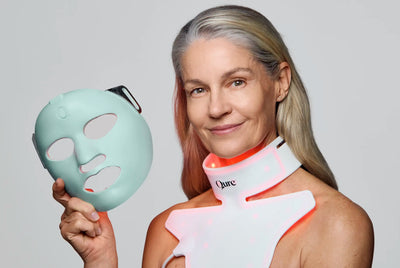
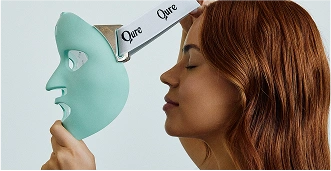
Using an FDA-cleared red light mask ensures controlled wavelength output and consistent delivery, which is especially important when skin is reactive.
Red Light Is Not UV Light
Red light therapy uses non-ionizing wavelengths. It does not stimulate melanin production and does not add additional ultraviolet exposure.
This distinction matters, especially for those asking about red light therapy before or after tanning. LED therapy does not tan the skin and does not compound UV injury.

When To Avoid Red Light Therapy On A Sunburn
Do not use red light therapy if the skin is blistered, open, or actively peeling with raw areas exposed. Avoid treatment if there is severe swelling, signs of infection, or extreme tenderness.
If the area feels intensely hot to the touch, wait.
Introducing additional stimulation too early may increase discomfort. When in doubt, seek medical evaluation before applying any device to compromised skin.
When Red Light Therapy May Be Most Helpful
Red light therapy may be most useful after the acute heat phase has passed. Once the skin cools and the intense redness begins to subside, LED therapy can support recovery pathways.
During the peeling phase, controlled light exposure may help regulate inflammation and support collagen remodeling. This is particularly relevant for individuals concerned about long-term texture changes after repeated sun exposure.
Timing Matters
Avoid using LED therapy immediately after intense sun exposure if the skin still feels hot. Allow the skin's surface temperature to normalize first.
Follow device guidelines carefully, especially if your skin is sensitive. Shorter sessions and consistent spacing are safer than extended treatments.
What Red Light Therapy Cannot Do for Sunburn
Red light therapy does not prevent skin cancer risk. It does not erase DNA mutations caused by ultraviolet radiation. It does not replace sunscreen or physical sun protection.
Prioritize hydration, barrier repair, and medical evaluation for severe burns, especially if you have blistering, swelling, or signs of infection.
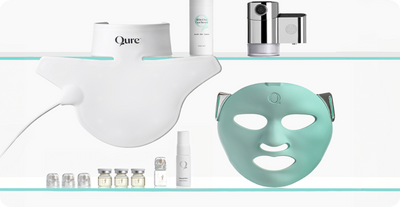
Once the acute heat settles and the skin remains intact, an FDA-cleared red light mask can support a calm recovery routine, and the red light neck mask helps extend that support to the neck and chest, which often take more UV than people realize.
If your skin feels reactive, soothe it with the hypochlorous acid spray, then follow with a lightweight anti aging serum to keep the barrier comfortable as redness fades.

Frequently Asked Questions
Can Red Light Therapy Make A Sunburn Worse?
Yes, it can make a sunburn feel worse if you use it too soon. When skin still feels hot, sharply tender, or looks intensely red, it is in the peak inflammatory phase. Adding any stimulus at that point can increase discomfort, especially if your device sits close to the skin or generates noticeable warmth.
How Soon After A Sunburn Can I Use Red Light Therapy?
You can usually use it once the skin has cooled and the burn is mild, which for many people is within about 24 hours. Let comfort guide the decision: if the area still feels hot to the touch, looks aggressively red, or hurts with gentle skincare, wait longer.
Does Red Light Therapy Help Prevent Peeling?
No, it will not reliably prevent peeling. Peeling is the body's natural way of shedding UV-damaged cells, and that process continues even when inflammation improves. Red light therapy may support barrier recovery and help skin look less reactive as it heals, but it does not stop the turnover that leads to flaking.
Is Red Light Therapy Safe For Sunburn On The Face?
Yes, it can be safe for a mild facial sunburn once acute heat and extreme tenderness subside, and the skin remains intact. Keep sessions short, avoid any pressure from a mask against painful areas, and stop if you feel stinging or increased redness. If your face shows blistering or your skin feels raw, treat it as a burn injury first and avoid devices until you are fully healed or cleared by a professional.
Conclusion
Red light therapy may support recovery after a sunburn, but it does not reverse ultraviolet damage. Timing, moderation, and realistic expectations are essential. Prioritize prevention with sunscreen and protective habits.
When your skin needs support during recovery, choose clinically tested, FDA-cleared LED technology like our red light mask and red light neck mask, and pair it with soothing care like the hypochlorous acid spray and a barrier-supportive anti aging serum.
At Qure, we focus on non-invasive tools that respect sensitive skin and long-term health, helping you recover intelligently and protect your future results.
Read more about targeted skincare topics:
Most Popular Posts
-
 #Skin
#Skin
What You Eat Can Reduce Premature Aging by...
-
#Skincare
Beauty Sleep Is Real!
-
#LED Light Therapy
Hack your skincare to match your menstrual cycle
-
#Skin
Ice Bath Facial: the affordably cool hack that...
-
#Skincare
5 Ways To Prevent Premature Ageing
-
#Skincare
Glow Up for the Holidays: Radiant Skin Tips...
-
#LED Light Therapy
Shining Light On Sun-Damaged Skin
-
#LED Light Therapy
How LED Therapy Can Transform Your Skin
-
#Skin
How Cortisol Affects the Skin: The Stress-Skin Connection...
-
#Skin
The Hidden Toll of Smoking on Your Skin:...


