
Light affects the skin in more than one way. Natural sunlight helps regulate essential functions throughout the body, while red light therapy gives the skin controlled exposure to specific wavelengths used in modern skincare devices.
That overlap is exactly why the red light therapy vs sunlight comparison can feel confusing. Both involve light, but they are not interchangeable.
Understanding that difference helps clarify what each one actually does, where each one fits, and why red light therapy has become a distinct category in skincare.
What this article covers:
- Red Light Therapy vs Sunlight: Key Clinical Differences
- The Biological Effects of Sunlight on Skin
- How Red Light Therapy Works in Skin
- The Biggest Differences Between Red Light Therapy and Sunlight
- Red Light Therapy vs Sunlight for Skin Health
- Where Red Light Therapy Fits Into a Skincare Routine
- Frequently Asked Questions
Red Light Therapy vs Sunlight: Key Clinical Differences
Sunlight and red light therapy serve different biological roles.
Sunlight emits a continuous spectrum of light that includes ultraviolet (UV), visible light, and infrared radiation. UVB wavelengths drive vitamin D synthesis, while UVA contributes to oxidative stress and collagen breakdown over time.
Red light therapy isolates narrow wavelength bands, typically in the 630 to 660 nm range for red light and approximately 800 to 880 nm for near-infrared. These wavelengths are selected because they interact with cellular structures without introducing UV radiation.
Sunlight supports systemic functions such as circadian rhythm and hormone regulation. Red light therapy is used as a localized, controlled input for skin-focused routines.

The Biological Effects of Sunlight on Skin
Sunlight delivers electromagnetic radiation across a wide spectrum. The skin receives multiple wavelength categories simultaneously:
- UVB (approximately 280 to 315 nm): triggers vitamin D synthesis
- UVA (315 to 400 nm): penetrates deeper into the dermis and contributes to photoaging
- Visible light (400 to 700 nm): influences pigmentation and circadian signaling
- Infrared (>700 nm): contributes to thermal effects and deeper tissue interaction
UV exposure drives several biological responses. In controlled amounts, UVB supports vitamin D production. However, repeated exposure to UVA and UVB leads to cumulative DNA damage, reactive oxygen species (ROS) generation, and degradation of collagen and elastin fibers.
This is why sunlight is both beneficial and damaging. It supports systemic health but introduces variables that accelerate visible skin aging when exposure is not managed.
How Red Light Therapy Works in Skin
Red light therapy is a controlled application of specific wavelengths designed to interact with cellular energy systems.
Red and near-infrared wavelengths are absorbed by chromophores within mitochondria, particularly cytochrome c oxidase, in a process known as photobiomodulation. This interaction can influence mitochondrial respiration and adenosine triphosphate (ATP) production, which supports cellular activity involved in repair and maintenance.
Unlike sunlight, red light therapy devices exclude ultraviolet wavelengths. This allows targeted exposure without triggering UV-induced DNA damage or pigmentary response.
Devices designed for skincare use set structured treatment durations and fixed-wavelength output to ensure consistent exposure.
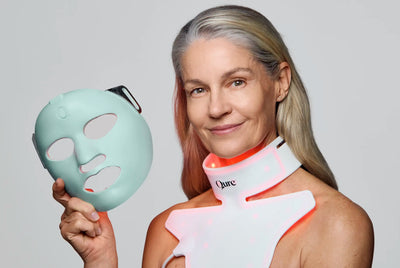
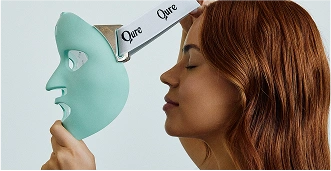
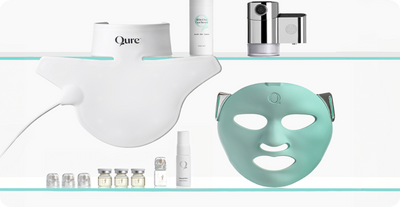
For example, our red light mask uses five clinically backed wavelengths, including 630 nm, 660 nm, and 880 nm, to support visible concerns such as wrinkles, uneven tone, and inflammatory acne.

The Biggest Differences Between Red Light Therapy and Sunlight
Although both involve light exposure, they affect the skin in very different ways. The comparison below shows where sunlight and red light therapy differ most in their spectra, control, skin impact, and treatment purposes.
|
Factor |
Sunlight |
Red light therapy |
|
Light spectrum |
Delivers a broad spectrum that includes ultraviolet, visible light, and infrared radiation. |
Delivers selected red and near-infrared wavelengths used in photobiomodulation. |
|
Precision and control |
Exposure varies with time of day, season, weather, and geography, so the dose is never fully controlled. |
Devices deliver fixed wavelengths, set treatment times, and provide consistent exposure from one session to the next. |
|
UV exposure |
Includes UVA and UVB radiation, which can contribute to sunburn, pigmentation changes, oxidative stress, and collagen breakdown over time. |
Does not include ultraviolet wavelengths, so it provides targeted light exposure without the UV-driven mechanisms associated with photoaging. |
|
Treatment focus |
Affects the body broadly and supports systemic functions such as circadian rhythm and vitamin D production. |
Used for targeted treatment of specific areas, especially in skincare routines focused on the face, neck, or chest. |
Red Light Therapy vs Sunlight for Skin Health
When the focus shifts specifically to skin, the difference between sunlight and red light therapy becomes more practical.
Sunlight exposes the skin to ultraviolet radiation, as well as visible and infrared light. UVB supports vitamin D production, but UVA penetrates deeper into the dermis, where it contributes to oxidative stress, collagen breakdown, and long-term structural changes.
These processes are directly linked to loss of firmness and fine lines.
Red light therapy removes that variability. It isolates wavelengths in the red and near-infrared range that interact with mitochondrial activity and cellular signaling without introducing UV-driven damage. That distinction matters in skincare, where the goal is to support the skin without adding stress.
In clinical and at-home settings, red light therapy is often used to support visible skin recovery after disruption. This includes post-inflammatory redness, barrier stress, and recovery after cosmetic treatments.
Instead of competing biological signals, the skin receives controlled exposure aligned with repair and maintenance processes.
This is also where the question does red light therapy help heal wounds tends to come up. In skincare, red light therapy supports the conditions that enable the skin to repair itself. It does not replace wound care, but it is commonly used to support visible recovery after irritation or treatment.
That level of control is what makes red light therapy relevant for modern skincare routines.

Where Red Light Therapy Fits Into a Skincare Routine
Red light therapy works best when incorporated into a consistent, structured skincare routine rather than as a one-time treatment.
Because LED devices emit light at controlled wavelengths and at repeatable intensities, they are typically used several times per week. This repeated exposure supports ongoing cellular activity, which is how visible improvements in tone, clarity, complexion, and skin quality develop over time.
In practice, red light therapy fits into skincare in three key ways:
First, it supports daily skin maintenance. Regular sessions help reinforce the skin's natural processes without introducing irritation, making them especially relevant for sensitive or reactive skin types.
Second, it supports post-treatment recovery. After procedures such as microneedling, extractions, or resurfacing treatments, the skin enters a repair phase. LED exposure is commonly used during this window to help reduce visible redness and support a more balanced recovery.
Third, it integrates with topical skincare. After light exposure, the skin is often more receptive to supportive formulations. Applying a targeted product, such as an anti aging serum, helps reinforce hydration and barrier function while the skin resets.
Device design plays a major role in how easy it is to maintain this consistency.
Our FDA-cleared red light mask is designed for full-face coverage using five clinically backed wavelengths, allowing even, repeatable treatment across the skin.
For areas that are often overlooked, the red light neck mask delivers targeted red and near-infrared light to the neck and chest, where thinner skin and lower oil production make visible aging more pronounced.

.”
Frequently Asked Questions
Is Red Light Therapy the Same as Sunlight?
No. Sunlight delivers a full spectrum of electromagnetic radiation, including ultraviolet wavelengths that affect DNA, pigmentation, and collagen structure. Red light therapy isolates specific wavelengths in the red and near-infrared range, allowing controlled interaction with skin cells without UV exposure.
Can Sunlight Replace Red Light Therapy?
No. Sunlight cannot provide controlled wavelength exposure. Even though it contains red light, those wavelengths are diluted within a broad spectrum and fluctuate in intensity depending on environmental conditions. Red light therapy devices deliver consistent, repeatable exposure that is not dependent on time of day or location.
Is Red Light Therapy Better for Skin Than Sunlight?
They serve different roles. Sunlight supports systemic health, including vitamin D production and circadian rhythm regulation. Red light therapy is more relevant for targeted skincare because it delivers controlled wavelengths without UV-related damage.
Does Red Light Therapy Provide Vitamin D?
No. Vitamin D synthesis requires exposure to UVB light from sunlight. Red light therapy devices are designed without UV wavelengths, which is why they do not trigger vitamin D production.
Can You Use Red Light Therapy and Sunlight Together?
Yes. They complement each other when used appropriately. Sunlight supports overall biological function, while red light therapy provides targeted support for the skin. Using both allows you to maintain general health while also following a consistent skincare routine.
Conclusion
The comparison between red light therapy and sunlight comes down to control versus complexity.
Sunlight delivers a broad spectrum that supports overall health but introduces UV-driven skin damage over time. Red light therapy isolates specific wavelengths and delivers them in a controlled, repeatable way that supports your skin.
If your goal is consistent, targeted skin support, Qure offers a full-face red light mask and a red light neck mask for the neck and chest. Pair your routine with the anti aging serum to support your barrier while your skin adapts.
Your skin responds to what you do consistently. Give it precision with science-backed skincare.
Read more about targeted skincare:
- Do You Need Goggles For Red Light Therapy
- PEMF vs Red Light Therapy
- Is All Red Light Therapy The Same
Most Popular Posts
-
 #Skin
#Skin
What You Eat Can Reduce Premature Aging by...
-
#Skincare
Beauty Sleep Is Real!
-
#LED Light Therapy
Hack your skincare to match your menstrual cycle
-
#Skin
Ice Bath Facial: the affordably cool hack that...
-
#Skincare
5 Ways To Prevent Premature Ageing
-
#Skincare
Glow Up for the Holidays: Radiant Skin Tips...
-
#LED Light Therapy
Shining Light On Sun-Damaged Skin
-
#LED Light Therapy
How LED Therapy Can Transform Your Skin
-
#Skin
How Cortisol Affects the Skin: The Stress-Skin Connection...
-
#Skin
The Hidden Toll of Smoking on Your Skin:...


