

The PEMF vs red light therapy debate often comes up when people compare non-invasive technologies for recovery and skin health. Both therapies appear in discussions of inflammation support, tissue recovery, and cellular health, making it easy to assume they play similar roles.
In reality, these technologies work through completely different mechanisms. Understanding how pulsed electromagnetic fields differ from therapeutic light wavelengths helps clarify which option fits your goals, whether you prioritize deeper-body recovery or visible skin rejuvenation.
What this article covers:
- PEMF vs Red Light Therapy: The Clinical Difference at a Glance
- How Pulsed Electromagnetic Field Therapy (PEMF) Works
- How Red Light Therapy Works
- PEMF vs Red Light Therapy: The Biggest Differences
- PEMF vs Red Light Therapy: Quick Comparison Table
- PEMF vs Red Light Therapy for Skin
- PEMF vs Red Light Therapy for Pain and Recovery
- Which Therapy Goes Deeper?
- Which One Is Better for Skincare Goals?
PEMF vs Red Light Therapy: The Clinical Difference at a Glance
Neither therapy is inherently better because PEMF and red light therapy work through different biological mechanisms and support different treatment goals.
Red light therapy uses targeted wavelengths of visible red and near-infrared light to deliver photobiomodulation at the treatment site.
In skincare, that makes it the more relevant option for visible rejuvenation, skin-quality support, and routines centered on tone, texture, and overall appearance.
Pulsed Electromagnetic Field (PEMF) therapy, by contrast, uses pulsed electromagnetic fields rather than light energy. It is more commonly discussed in the context of deeper tissue support and physical recovery.
For skincare-focused users, red light therapy usually makes more sense because it acts directly on the skin and supports localized, appearance-driven use cases.
PEMF may appeal to people with more general recovery or whole-body wellness goals, but it is not typically the first-line choice for facial skincare or cosmetic outcomes.
In short, the better option depends on what you want the technology to do:
- Treatment goal
- Target tissue depth
- Device format
- Treatment convenience
- Personal comfort preferences
Understanding the mechanisms behind each therapy makes it easier to choose the technology that fits your routine.

How Pulsed Electromagnetic Field Therapy (PEMF) Works
PEMF technology generates low-frequency electromagnetic waves that pass through the body.
Devices produce these fields through coils embedded in pads, mats, or wearable loops. When the device activates, the coils create oscillating magnetic fields that move through surrounding tissues.
Unlike red light therapy, PEMF does not rely on visible energy. Users cannot see the treatment occurring because electromagnetic fields exist outside the visible spectrum.
Researchers began studying PEMF decades ago in orthopedic and rehabilitation contexts. Early investigations explored how electromagnetic stimulation might support bone healing and tissue recovery.
Today, wellness-focused PEMF devices typically use lower intensity fields designed for recovery support rather than medical treatment.
How PEMF Interacts With the Body
Scientists often describe PEMF therapy in terms of cellular electrical activity. Human cells maintain electrical gradients across their membranes that help regulate intercellular communication.
Pulsed electromagnetic fields may influence these gradients by interacting with ion channels in the cell membrane.
Researchers studying PEMF frequently examine its potential influence on:
- Cellular signaling pathways
- Circulation support
- Muscle recovery
- Connective tissue response
Because electromagnetic fields move through tissues differently than light waves, wellness providers often position PEMF therapy as a modality that reaches deeper structures within the body.
How Red Light Therapy Works
Red light therapy uses specific wavelengths of light within the red and near-infrared spectrum. Scientists often refer to this process as photobiomodulation.
Most skincare devices operate within wavelength ranges of approximately:
- 630–660 nanometers for visible red light
- 800–880 nanometers for near-infrared light
These wavelengths fall within what researchers call the therapeutic optical window, a range of light that can penetrate biological tissue more effectively than shorter wavelengths.
LED devices deliver these wavelengths directly to the treatment area. Unlike PEMF therapy, which uses electromagnetic pulses, red light therapy uses photons as the active energy source.

How Red Light Therapy Interacts With the Body
Photobiomodulation research often focuses on how light interacts with mitochondria, the structures inside cells responsible for producing adenosine triphosphate (ATP), the body's cellular energy molecule.
When red or near-infrared photons reach the cell, they can interact with a mitochondrial enzyme known as cytochrome c oxidase. Laboratory studies suggest this interaction may influence cellular respiration and ATP production.
Higher cellular energy availability can support biological processes such as tissue repair, collagen synthesis, and metabolic function.
In skincare routines, people often use red light therapy to support:
- Visible skin rejuvenation
- Smoother-looking skin texture
- Collagen activity
- Mild inflammation support
- Post-exercise recovery
Unlike PEMF therapy, which influences electrical signaling, red light therapy delivers localized photon energy directly to the treatment area.
PEMF vs Red Light Therapy: The Biggest Differences
To fully grasp the difference, it helps to look at the two therapies and where they differ the most.
Energy Type
The most important distinction in PEMF and red light therapy involves the type of energy used. PEMF therapy produces pulsed electromagnetic fields that interact with cellular electrical activity. These fields remain invisible during treatment.
Red light therapy delivers photons within the red and near-infrared spectrum. LED devices emit visible light that users can see during treatment sessions.
This difference shapes both the biological mechanism and the treatment experience.
Depth and Treatment Focus
Electromagnetic fields travel through biological tissues differently from light waves. For that reason, PEMF therapy often appears in routines designed for deeper-body support.
Red light therapy typically focuses on localized treatment zones. Facial devices, panels, and handheld tools allow users to apply light precisely where they want support.
Near-infrared wavelengths can travel deeper than visible red light, but most skincare devices still emphasize localized treatments rather than whole-body exposure.

Sensation During Treatment
Red light therapy produces a visible and sometimes bright treatment environment. Users usually see red LEDs illuminating the treatment area.
PEMF therapy feels very different. Because electromagnetic pulses remain invisible, many users notice little sensation during treatment.
Treatment Format
Red light therapy appears in many device formats, including masks, panels, handheld tools, and targeted skincare devices.
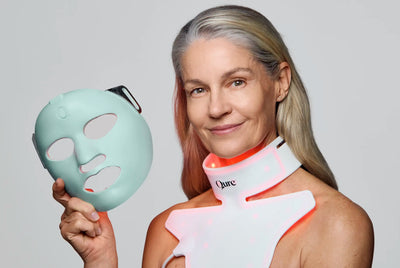
For example, the FDA-cleared Qure red light mask delivers LED wavelengths across the face in a format designed for convenient at-home skincare.
PEMF devices usually look very different. Many systems use mats, pads, or loops designed to treat large areas of the body at once.
PEMF vs Red Light Therapy: Quick Comparison Table
|
Feature |
PEMF Therapy |
Red Light Therapy |
|
Energy Type |
Uses pulsed electromagnetic fields that interact with cellular electrical activity. The energy is invisible and does not produce visible light during treatment. |
Uses photons in the red and near-infrared spectrum. LED devices emit visible red light that users can see during treatment sessions. |
|
Treatment Depth |
Often positioned for deeper-body support because electromagnetic fields move through tissues without relying on light penetration. |
Typically focuses on localized treatment areas. Red wavelengths interact with skin and surface tissues, while near-infrared light may penetrate deeper into tissue. |
|
Primary Treatment Focus |
Frequently used in wellness routines centered on recovery, relaxation, and broader physical support. |
Commonly used for skincare routines, visible rejuvenation, localized inflammation support, and targeted recovery. |
|
Sensation During Treatment |
Usually produces little noticeable sensation because the electromagnetic pulses remain invisible and non-thermal. |
Produces visible light during treatment. Users typically see bright red LEDs illuminating the treatment area. |
|
Typical Device Format |
Often delivered through mats, pads, loops, or full-body systems that expose larger areas of the body to electromagnetic fields. |
Delivered through masks, panels, handheld tools, and targeted skincare devices. Facial devices such as the FDA-cleared red light mask allow localized treatments as part of an at-home skincare routine. |
|
Best Use Case |
Whole-body wellness routines, deeper recovery support, and broader physical applications. |
Skincare-focused treatments, visible skin rejuvenation, and targeted recovery routines. |

PEMF vs Red Light Therapy for Skin
Red light therapy typically provides a stronger fit for skincare goals because it interacts directly with skin tissue.
Dermatology research often focuses on how photobiomodulation influences fibroblasts, the cells responsible for producing collagen and elastin. These proteins help maintain skin firmness and elasticity.
When light energy reaches these cells, researchers sometimes observe increased cellular metabolism and collagen activity. This process contributes to the visible rejuvenation effects that make LED therapy popular in dermatology.
Readers exploring this technology often wonder is all red light therapy the same, especially when comparing clinical skincare devices with broader wellness panels.
In reality, wavelength precision, device structure, and treatment distance can significantly influence results.
Devices such as the Qure FDA-cleared red light mask allow users to deliver light evenly across the face as part of an at-home skincare routine.
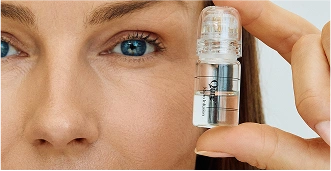
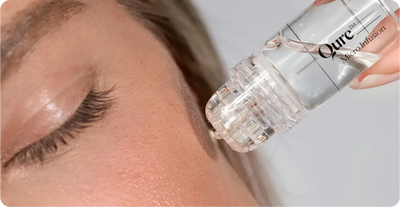
Users can extend these routines by pairing LED treatments with targeted skincare products, such as a science-backed anti aging serum or precision treatments like micro dart patches.
PEMF therapy rarely appears in cosmetic dermatology discussions because electromagnetic fields do not interact with skin cells in the same localized way as light-based treatments.
PEMF vs Red Light Therapy for Pain and Recovery
PEMF therapy appears more frequently in conversations about deeper-body recovery.
Wellness routines sometimes incorporate electromagnetic therapy to support relaxation, muscle recovery, and general physical balance. Because PEMF fields move through tissues without relying on visible energy, many devices treat larger areas of the body at once.
Red light therapy also appears in recovery discussions, particularly around localized soreness or inflammation near the skin. Athletes and wellness enthusiasts often apply LED devices to joints or muscle groups after exercise.
Researchers studying photobiomodulation have also investigated whether light therapy can support tissue repair processes. This research sometimes appears in conversations about does red light therapy help heal wounds, although most at-home skincare devices focus primarily on cosmetic skin support rather than clinical wound care.
The difference usually lies in the scope of treatment. PEMF devices often address larger body areas, whereas red light therapy targets specific treatment zones.

Which Therapy Goes Deeper?
Many wellness discussions describe PEMF therapy as reaching deeper tissues.
Electromagnetic fields can move through the body without relying on optical penetration. Because the fields do not depend on visible light, PEMF devices can influence tissues beyond the skin's surface.
Red light therapy behaves differently. Light wavelengths must pass through skin layers before reaching deeper structures. Scientists often refer to this process as optical penetration depth.
Near-infrared wavelengths can travel deeper than visible red light, but most skincare treatments still focus on localized areas rather than full-body exposure.
This localized nature makes light therapy particularly well-suited for targeted cosmetic applications.
Depth alone does not determine which therapy works best. The right choice depends on the goal of the treatment and the tissue being targeted.
Which One Is Better for Skincare Goals?
For skincare, red light therapy is the better option because it acts directly on the skin and the cellular processes that influence visible skin quality.
Red and near-infrared wavelengths interact with skin cells through photobiomodulation. When these wavelengths reach the skin, they can influence fibroblasts, the cells responsible for producing collagen and elastin. These structural proteins help maintain skin firmness, elasticity, and overall skin texture.
Because of this localized interaction, dermatologists frequently recommend red light therapy for appearance-related goals, such as smoother-looking skin and overall skin quality.
Device design also plays an important role. Light-based skincare devices deliver wavelengths precisely to the treatment area, allowing users to apply therapy consistently across the skin.
For example, the Qure FDA-cleared red light mask distributes calibrated red and near-infrared wavelengths across the face to support visible skin rejuvenation as part of an at-home routine.
Real-world user experience often reflects the same pattern observed in clinical discussions.
In verified Qure customer reviews, users frequently mention visible improvements in skin appearance after consistent LED treatments. One customer reported noticing “a visible improvement in skin texture and radiance,” while another described incorporating the mask into a daily routine and beginning to see results within the first few weeks of use.
Users can also extend these treatments to other areas of the skin where early signs of aging often appear. Devices such as the red light neck mask allow targeted treatment of the neck and décolletage, where collagen decline and environmental exposure can affect skin appearance over time.
Conclusion
PEMF and red light therapy represent different tools designed for different goals.
PEMF therapy often appears in wellness routines focused on deeper-body recovery and physical relaxation. Red light therapy typically fits localized treatments, especially skincare and visible rejuvenation goals.
Choosing between PEMF and red light therapy ultimately depends on what you want to treat. Someone focused on full-body recovery may prefer electromagnetic therapy, while someone seeking targeted skin results will likely benefit from LED technology.
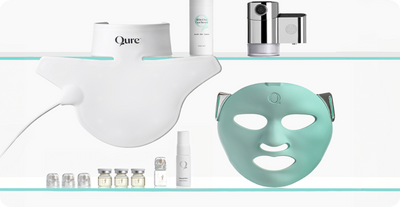
If skincare remains your priority, devices like the Qure FDA-cleared red light mask and the red light neck mask make it easy to integrate photobiomodulation into an at-home routine.
Pairing these treatments with supportive products such as the anti aging serum, targeted micro dart patches, and soothing skincare like the hypochlorous acid spray can further enhance comfort and results.
When you choose technology that aligns with your goals, advanced skincare devices become a powerful part of a modern wellness routine.
Read more about targeted skincare:
Most Popular Posts
-
 #Skin
#Skin
What You Eat Can Reduce Premature Aging by...
-
#Skincare
Beauty Sleep Is Real!
-
#LED Light Therapy
Hack your skincare to match your menstrual cycle
-
#Skin
Ice Bath Facial: the affordably cool hack that...
-
#Skincare
5 Ways To Prevent Premature Ageing
-
#Skincare
Glow Up for the Holidays: Radiant Skin Tips...
-
#LED Light Therapy
Shining Light On Sun-Damaged Skin
-
#LED Light Therapy
How LED Therapy Can Transform Your Skin
-
#Skin
How Cortisol Affects the Skin: The Stress-Skin Connection...
-
#Skin
The Hidden Toll of Smoking on Your Skin:...


