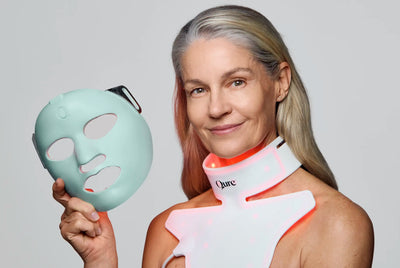

Red light therapy after Botox is a common question for anyone investing in both injectables and advanced at-home skincare. You want smoother expression lines and stronger collagen support, without compromising your freshly placed neuromodulator.
Botox and LED therapy work through very different biological pathways. When you understand how each works and when to restart light safely, you can protect your results while keeping your routine consistent and non-invasive.
What this article covers:
- Can You Use Red Light Therapy After Botox?
- How Botox Works In The Skin And Muscle
- What Red Light Therapy Does At A Cellular Level
- How Long Should You Wait After Botox Before Using Red Light Therapy?
- Can Red Light Therapy Affect Botox Results?
- Is Red Light Therapy Safe Immediately After Cosmetic Injectables?
Can You Use Red Light Therapy After Botox?
Yes, you can use red light therapy after Botox, but timing matters. The immediate post-injection window is critical because the neurotoxin needs time to bind to the targeted nerve endings.
Botox is injected into specific facial muscles. In the first several hours after treatment, the product is still settling into place.
During that time, providers typically advise avoiding rubbing the area or exposing the face to excessive heat.
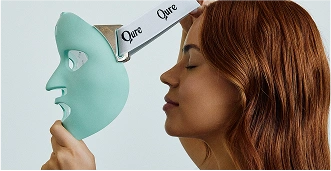
Red light therapy is non-invasive and does not mechanically manipulate tissue. However, pressure from a mask resting on the face and increased warmth immediately after injections can be concerns in the first 24 hours.
A conservative recommendation is to wait 24 to 48 hours before resuming LED treatments, unless your injector provides different guidance.

How Botox Works In The Skin And Muscle
Botulinum toxin temporarily blocks nerve signals to targeted muscles. By preventing certain muscle contractions, it softens dynamic lines and reduces the appearance of wrinkles caused by repeated expression.
Precision matters. Injectors place Botox carefully into specific muscle groups. In the first few hours after injection, the product is still localizing at the neuromuscular junction.
This is why aftercare instructions are strict during that initial period.
Providers often recommend avoiding intense exercise, facial massage, and heat exposure right after treatment. These precautions aim to reduce the risk of unwanted spread.
What Causes Botox To Migrate?
Migration occurs when the neurotoxin diffuses beyond the intended injection site. While rare when administered correctly, several factors can increase risk in the early hours:
- Mechanical pressure on the treated area
- Excessive heat that increases circulation
- Intense facial manipulation
- Lying flat too soon after treatment
This is why gentle skincare is recommended initially. The goal is to leave the treated muscles undisturbed while the product binds properly.
What Red Light Therapy Does At A Cellular Level
Red light therapy works through photobiomodulation. Specific wavelengths penetrate the skin and stimulate mitochondria, increasing adenosine triphosphate (ATP) production.
ATP fuels cellular repair and collagen support. Red light therapy also helps regulate inflammatory signaling, which can be useful when skin looks mildly flushed after injections.
Importantly, LED therapy does not mechanically manipulate tissue. It does not massage muscles, break down injected substances, or alter nerve signaling. Botox works at nerve endings.
Red light works in mitochondria. These mechanisms are distinct.
Using an FDA-cleared red light mask helps ensure controlled wavelength output and consistent delivery, which matters when you are layering treatments in a clinical-style routine.

How Long Should You Wait After Botox Before Using Red Light Therapy?
A conservative guideline is to wait 24 to 48 hours before using red light therapy after Botox. This allows adequate time for the neurotoxin to bind to the intended nerve endings.
Some providers recommend waiting up to three to five days for additional caution, especially if higher doses were used or if you are particularly sensitive.
Always follow injector-specific instructions, since they know your facial anatomy and your plan.
Even after 24 hours, be mindful of pressure. Avoid pressing a mask firmly against recent injection sites.
Can Red Light Therapy Affect Botox Results?
There is no evidence that red light therapy “breaks down” Botox. The neurotoxin functions by blocking nerve signals. LED therapy does not interfere with that pathway.
Because red light therapy works at the cellular energy level, there is no known mechanism by which it would reverse or weaken Botox. The two treatments operate independently.
Is Red Light Therapy Safe Immediately After Cosmetic Injectables?
Neuromodulators like Botox differ from dermal fillers. Fillers add volume and may cause localized swelling or tenderness that can persist for several days.
Swelling, bruising, and sensitivity should guide your timing. If the area feels tender or visibly inflamed, delay LED use until symptoms settle. Avoid stacking treatments on skin that is still reactive.
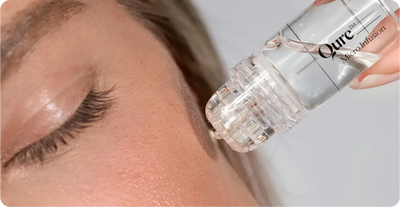
Talk with your injector if you combine injectables with advanced tools such as the micro infusion facial system or targeted micro dart patches. Proper sequencing protects your barrier and your results.
Conclusion
Botox smooths expression lines by relaxing targeted muscles. Red light therapy supports skin quality at the cellular level, which is why the two can work well together when you time them thoughtfully.
Waiting at least 24 to 48 hours, avoiding pressure on treated areas, and following your injector's guidance protects your outcome while keeping your routine on track.
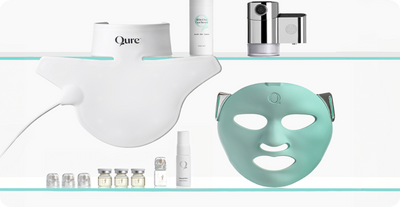
When you are ready to restart LED sessions, keep your post-treatment routine calm and consistent. Use Qure's FDA-cleared red light mask, soothe reactive skin with the hypochlorous acid spray, and finish with a lightweight anti aging serum for barrier support.
If you want to target fine lines between visits, add the precision of micro dart patches.
Read more about targeted skincare topics:
Most Popular Posts
-
 #Skin
#Skin
What You Eat Can Reduce Premature Aging by...
-
#Skincare
Beauty Sleep Is Real!
-
#LED Light Therapy
Hack your skincare to match your menstrual cycle
-
#Skin
Ice Bath Facial: the affordably cool hack that...
-
#Skincare
5 Ways To Prevent Premature Ageing
-
#Skincare
Glow Up for the Holidays: Radiant Skin Tips...
-
#LED Light Therapy
Shining Light On Sun-Damaged Skin
-
#LED Light Therapy
How LED Therapy Can Transform Your Skin
-
#Skin
How Cortisol Affects the Skin: The Stress-Skin Connection...
-
#Skin
The Hidden Toll of Smoking on Your Skin:...


